
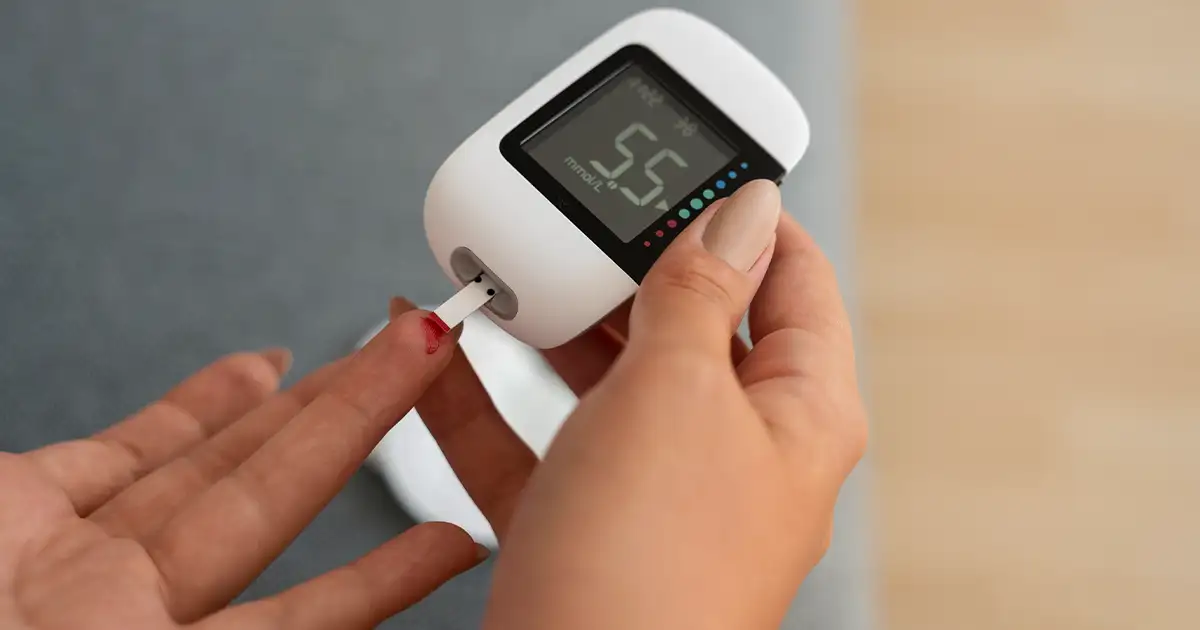
Key takeaway: High blood sugar — clinically called hyperglycemia — affects millions of adults, many of whom don’t recognize the warning signs until serious complications develop. This guide covers every symptom to watch for, what triggers blood sugar spikes, and evidence-based treatment strategies you can start today.
What Is High Blood Sugar?
High blood sugar, or hyperglycemia, occurs when there is too much glucose (sugar) circulating in your bloodstream. This happens when the body either doesn’t produce enough insulin, doesn’t use insulin effectively, or both — conditions that characterize type 1 diabetes, type 2 diabetes, and prediabetes.
Blood sugar levels fluctuate naturally throughout the day. They rise after eating and fall as your cells absorb glucose for energy. Hyperglycemia becomes a medical concern when these levels remain persistently elevated — even between meals or during fasting.
You don’t need to have a diabetes diagnosis to experience high blood sugar. Stress, poor sleep, certain medications, dehydration, and illness can all push glucose levels above healthy ranges in otherwise healthy adults.
Normal vs. High Blood Sugar Levels
Understanding what the numbers mean is the foundation of blood sugar management.
| Status | Fasting Blood Sugar | 2 Hours After Eating |
|---|---|---|
| Normal | Below 100 mg/dL | Below 140 mg/dL |
| Prediabetes | 100–125 mg/dL | 140–199 mg/dL |
| Diabetes | 126 mg/dL or higher | 200 mg/dL or higher |
| Hyperglycemia (danger zone) | Above 180 mg/dL | Above 200 mg/dL |
A1C context: An A1C below 5.7% is considered normal. Between 5.7% and 6.4% signals prediabetes. At 6.5% or above, a diabetes diagnosis is typically confirmed.
Are you at risk? Use our Diabetes Risk Calculator to get a personalized risk score based on your age, weight, activity level, and family history — in under 2 minutes.
Warning Signs and Symptoms of High Blood Sugar
One of the most dangerous aspects of hyperglycemia is that symptoms often develop gradually and are easy to dismiss. Knowing what to look for is critical.
Early Symptoms
These are the most commonly reported signs that blood sugar may be elevated:
1. Excessive thirst (polydipsia) When glucose builds up in the blood, your kidneys work overtime to filter it out. This pulls fluids from your body’s tissues, triggering persistent thirst that water alone doesn’t seem to satisfy.
2. Frequent urination (polyuria) As your kidneys filter excess glucose, they produce more urine. Needing to urinate more than usual — especially waking up several times at night — is a classic early warning sign.
3. Unexplained fatigue Glucose is your cells’ primary fuel source. When insulin resistance prevents cells from absorbing it properly, you feel drained regardless of how much you sleep. Fatigue after eating — especially after carbohydrate-heavy meals — is a particularly telling signal.
4. Blurry vision High blood sugar draws fluid out of the lenses of your eyes, temporarily distorting their shape and affecting your ability to focus. Vision often improves once blood sugar is brought back to normal.
5. Headaches Elevated glucose can trigger inflammation and affect brain chemistry, leading to dull or persistent headaches that don’t respond well to over-the-counter pain relief.
6. Slow-healing cuts and bruises High blood sugar impairs circulation and weakens the immune response, meaning minor wounds take noticeably longer to close and heal.
7. Increased hunger (polyphagia) Despite eating normally, your cells aren’t absorbing glucose effectively — so the brain keeps signaling hunger. This cycle of eating without energy can result in unexplained weight changes.
8. Tingling or numbness in hands and feet Prolonged elevated glucose irritates and damages peripheral nerves. Tingling, numbness, or a “pins and needles” sensation in the extremities — known as diabetic neuropathy — often starts subtly but worsens over time.
9. Recurrent infections High blood sugar creates an environment where bacteria and fungi thrive. Frequent yeast infections, urinary tract infections, or skin infections can all be early signs of chronically elevated glucose.
10. Dry mouth and skin Dehydration driven by excess urination also manifests as persistent dry mouth and itchy, flaky skin — particularly on the lower legs.
Severe Symptoms That Need Urgent Care
If blood sugar climbs very high — typically above 300 mg/dL — or remains elevated for extended periods, symptoms become more serious:
- Fruity-smelling breath — a sign of diabetic ketoacidosis (DKA), a potentially life-threatening condition
- Nausea and vomiting
- Shortness of breath
- Confusion or difficulty concentrating
- Extreme weakness
- Loss of consciousness
Important: If you or someone you know experiences these severe symptoms, seek emergency medical attention immediately. DKA requires urgent hospital treatment.
Common Causes of High Blood Sugar
Hyperglycemia doesn’t have a single cause. Multiple factors — often working together — push blood sugar above healthy ranges:
Dietary triggers Foods high in refined carbohydrates and added sugars cause rapid glucose spikes. Ultra-processed foods, sugary beverages, white bread, and pastries all have a high glycemic index, meaning they flood the bloodstream with glucose quickly.
Insulin resistance When cells stop responding to insulin’s signal to absorb glucose, the pancreas compensates by producing more. Over time, the pancreas can’t keep up, and blood sugar climbs — the hallmark of type 2 diabetes.
Missed medication or insufficient insulin dosing For people managing diabetes, skipping doses of insulin or oral medication is a direct cause of elevated blood sugar.
Physical or emotional stress Stress hormones — particularly cortisol and adrenaline — signal the liver to release stored glucose into the bloodstream. Chronic stress therefore contributes to persistently elevated blood sugar even in people without diabetes. Poor sleep compounds this further: just one night of poor sleep can temporarily raise fasting blood sugar.
Illness and infection When your body fights an infection, stress hormones rise and blood sugar follows. This is why people with diabetes must monitor glucose levels especially closely when sick.
Certain medications Corticosteroids (like prednisone), some antipsychotics, diuretics, and certain blood pressure medications can all raise blood sugar as a side effect.
Dehydration When fluid levels drop, blood glucose becomes more concentrated, raising its measured level — even without additional sugar intake.
Dawn phenomenon The body naturally releases a surge of hormones in the early morning hours (roughly 2–8 a.m.) to prepare for waking. In people with insulin resistance or diabetes, this can cause blood sugar to be significantly elevated first thing in the morning.
How to Treat High Blood Sugar
Treatment depends on severity, the underlying cause, and whether a diabetes diagnosis is already in place. The goal is always to return blood glucose to a safe range as safely and efficiently as possible.
Natural Ways to Lower Blood Sugar
For mild to moderate elevations, lifestyle interventions are often effective as both treatment and prevention:
Exercise Physical activity is one of the fastest natural ways to lower blood sugar. Muscles absorb glucose during exercise, reducing levels in the bloodstream. Even a 15–30 minute brisk walk after a meal can meaningfully reduce postprandial (after-eating) glucose spikes. Resistance training builds muscle mass, which improves long-term insulin sensitivity.
Use our Calorie Calculator to understand your daily energy needs and how different types of activity affect your metabolic health.
Hydration Drinking water helps the kidneys flush excess glucose through urine and prevents concentration of blood sugar. Aim for at least 8 glasses of water daily — more if you are active or in a hot climate.
Find your personalized hydration target with our Water Intake Calculator.
Low glycemic index eating Replacing high-GI foods (white bread, sugary drinks, processed snacks) with low-GI alternatives (legumes, non-starchy vegetables, whole grains, nuts) reduces the speed and height of glucose spikes after meals.
Increase dietary fiber Soluble fiber slows the absorption of glucose in the gut, flattening the blood sugar curve after meals. Oats, beans, lentils, apples, and flaxseeds are excellent sources.
Discover how much fiber your body needs daily with our Daily Fiber Intake Calculator.
Optimize protein intake Adequate protein at each meal slows digestion and buffers blood sugar spikes. It also supports muscle mass — which is key for long-term glucose metabolism.
Calculate your ideal protein intake with our Protein Intake Calculator.
Prioritize sleep Chronic poor sleep raises cortisol, increases insulin resistance, and directly elevates fasting blood sugar. Getting 7–9 hours of quality sleep is a non-negotiable part of blood sugar management.
Find your ideal bedtime and wake cycle with our Sleep Calculator.
Manage stress actively Mindfulness, breathing exercises, yoga, and regular physical activity all reduce cortisol levels, which in turn reduces stress-driven glucose release.
Evidence-backed supplements Several natural compounds have clinical evidence behind them for modest blood sugar reduction. Berberine (an alkaloid found in several plants), magnesium, chromium, and cinnamon extract have all been studied. Always consult a healthcare provider before starting any supplement, especially if taking diabetes medications.
Medical Treatments
For people with diagnosed diabetes or severe hyperglycemia, lifestyle changes alone are typically not sufficient. Medical treatment options include:
Oral medications Metformin remains the first-line pharmaceutical treatment for type 2 diabetes. It reduces glucose production in the liver and improves insulin sensitivity. Other classes include SGLT2 inhibitors (which cause kidneys to excrete glucose) and GLP-1 receptor agonists (which reduce appetite and slow glucose absorption).
Insulin therapy Both type 1 diabetes and advanced type 2 diabetes may require insulin injections or an insulin pump. The type and dosing depend on individual blood sugar patterns and response.
Continuous glucose monitoring (CGM) Wearable sensors that track glucose in real-time allow for proactive management — catching spikes before symptoms develop and informing dietary and activity decisions.
Working with a registered dietitian A personalized diabetes meal plan — accounting for your calorie needs, macros, and food preferences — is one of the most impactful interventions available.
Understand your macronutrient balance with our Macro Calculator — a practical starting point before working with a dietitian.
Long-Term Complications If Left Untreated
Chronically elevated blood sugar causes progressive damage to blood vessels and nerves throughout the body. The complications are serious but largely preventable with proper management:
Cardiovascular disease Hyperglycemia accelerates atherosclerosis — the buildup of plaque in arteries — significantly increasing the risk of heart attack and stroke.
Monitor your cardiovascular risk profile with our Cholesterol Ratio Calculator.
Diabetic nephropathy (kidney damage) High glucose damages the tiny filtering vessels in the kidneys over time, potentially leading to chronic kidney disease or kidney failure.
Diabetic retinopathy (eye damage) Damaged blood vessels in the retina can cause vision loss or blindness — the leading cause of new blindness among working-age adults.
Diabetic neuropathy (nerve damage) Persistent high blood sugar damages peripheral nerves, causing numbness, tingling, and pain — particularly in the feet and hands. In severe cases, this can lead to ulcers and, without treatment, amputation.
Increased infection risk Poor circulation and immune function mean wounds heal slowly and infections are more common and harder to resolve.
How to Monitor and Prevent Blood Sugar Spikes
Prevention starts with awareness. Key habits that protect long-term blood sugar health:
- Test fasting blood glucose regularly, especially if you have risk factors
- Know your A1C — get it checked at least annually
- Keep a food and glucose diary to identify personal trigger foods
- Move after meals — even a short walk makes a measurable difference
- Stay well hydrated throughout the day
- Build meals around protein, fiber, and healthy fats — not just carbohydrates
- Maintain a healthy weight — even a 5–10% reduction in body weight significantly improves insulin sensitivity
Get a complete picture of your body composition with our BMI Calculator and Body Age Calculator to understand where you stand today.
This content is intended for informational purposes only and does not constitute medical advice. Always consult a qualified healthcare professional for diagnosis and treatment decisions. See our Medical Disclaimer.
