
Acne
Hormonal Acne: Why You’re Breaking Out in Your 30s and 40s
You had clear skin for a decade. Maybe two. Then somewhere in your 30s, the deep, painful breakouts started showing

Estimate your daily hydration needs
A water intake calculator estimates the amount of fluid you should consume daily, personalised to your body weight, activity level, sex, and environment. Rather than applying a blanket "eight glasses a day" rule — a figure largely unsupported by modern evidence — it produces a tailored hydration target grounded in research. The methodology aligns with guidelines issued by the U.S. National Academies of Sciences, Engineering, and Medicine, which established Adequate Intake (AI) values for total water consumption, and is consistent with World Health Organization guidance on daily fluid requirements for healthy adults. The CDC also highlights adequate hydration as a cornerstone of weight management and chronic disease prevention.
WellCal's water intake calculator applies the evidence-based formula: Daily Water (ml) = Body Weight (kg) × 35 ml, then applies upward adjustments of +350–500 ml per hour of moderate exercise and +500–1,000 ml for hot or humid climates. This approach is endorsed by the Mayo Clinic, which confirms that body weight, physical activity, and environment are the three dominant drivers of individual fluid needs. The National Academies set Total Adequate Intake at 3.7 L/day for men and 2.7 L/day for women (including water from food, which accounts for roughly 20% of daily intake).
Hydration doesn't exist in isolation — it interacts directly with your calorie burn, macronutrient metabolism, sleep quality, and cardiovascular health. Once you know your daily water target, consider pairing it with your calorie intake calculator to understand how food choices affect your total fluid load, or use the macro calculator to see how protein intake (which raises kidney filtration demand) influences your hydration needs. If you exercise regularly, the BMI calculator can help contextualise whether your activity-adjusted water target is aligned with your body composition goals.
Your optimal water intake is a moving target shaped by several interconnected variables. Understanding each one helps you adjust your hydration goal in real time — not just set it and forget it.
Water need scales directly with body mass because larger bodies contain more cells, more blood volume, and more metabolically active tissue — all of which require continuous hydration to function. The standard formula of 35 ml per kilogram of body weight reflects this: a 60 kg adult needs roughly 2.1 L/day from the formula alone, while a 90 kg adult needs 3.15 L. A 2019 review in Nutrients (NIH) confirmed body weight as the strongest single predictor of fluid requirement in healthy adults. For accurate baseline hydration targets aligned with your weight, use WellCal's BMI calculator alongside your water goal.
Exercise is the most variable factor in daily hydration needs. Sweat rates range from 0.5 to 2.0 litres per hour depending on intensity, body size, and heat acclimatisation status. The American College of Sports Medicine recommends replacing approximately 150% of fluid losses within two hours of exercise to fully rehydrate. Even mild dehydration of just 1–2% body weight can reduce aerobic performance by up to 10% and impair concentration. Because exercise also influences calorie and protein turnover, pairing your hydration with WellCal's calorie calculator gives you a more complete picture of your active-day needs.
Ambient heat triggers thermoregulatory sweating even at rest, meaningfully increasing insensible fluid losses. A person living in a climate above 30°C may lose an additional 500 ml–1 L/day compared to someone in a temperate environment. Humidity compounds the problem by slowing sweat evaporation, which reduces the cooling effect and prompts the body to sweat more. Harvard Health notes that heat and altitude are two frequently overlooked drivers of dehydration. Monitoring your cardiovascular response to heat is also worthwhile — use WellCal's cholesterol ratio calculator to keep tabs on heart health markers that can be affected by chronic dehydration.
Roughly 20% of the average adult's daily water intake comes from food rather than beverages, according to the National Academies of Sciences. Fruits and vegetables can be 85–95% water by weight, so a diet rich in these foods meaningfully reduces the volume you need to drink. Conversely, high-protein diets increase renal solute load and urine volume, raising drinking requirements; the same is true of high-sodium diets, which trigger thirst and increase urinary sodium excretion. To understand how your protein targets interact with hydration, use WellCal's protein calculator alongside your water goal.
Ageing progressively blunts the thirst mechanism, meaning older adults frequently become dehydrated without feeling thirsty. Studies show that adults over 65 have a diminished osmotic thirst response and reduced kidney concentrating ability, making scheduled drinking — rather than drinking to thirst — important for this group. The U.S. National Institute on Aging (NIA) explicitly recommends that older adults set regular hydration reminders rather than rely on thirst alone. Adequate hydration in older adults is closely linked to kidney health — track your broader metabolic picture with WellCal's diabetes risk calculator, since chronic dehydration is associated with elevated blood glucose.
Both caffeine and alcohol act as diuretics — they increase urine output — though their net dehydrating effect is often overstated. Research published in PLOS ONE found that moderate caffeine consumption (up to 400 mg/day) does not cause clinically significant dehydration in habitual consumers. However, alcohol suppresses antidiuretic hormone (ADH), increasing kidney filtration and net fluid loss; a general rule is to drink one additional glass of water for every alcoholic drink consumed. These beverages can distort calorie intake as well — explore the relationship with WellCal's macro calculator.
The body loses fluid overnight through respiration and insensible skin evaporation — typically 300–400 ml across an 8-hour sleep period. A 2019 study in Sleep found that adults sleeping 6 hours or fewer were significantly more likely to be inadequately hydrated compared to those sleeping 8 hours, partly because longer sleep allows more time for the hormone vasopressin (which helps retain water) to act. This suggests that improving sleep duration supports better hydration status, and vice versa. Use WellCal's sleep calculator to optimise your overnight rest as part of a complete daily wellness routine.
Several chronic conditions and medications materially alter optimal fluid intake in both directions. Conditions such as heart failure, chronic kidney disease, and liver cirrhosis may require fluid restriction. Conversely, fever, diarrhoea, vomiting, and conditions like diabetes insipidus dramatically raise fluid needs. Diuretic medications (commonly prescribed for hypertension and oedema) increase urinary output and raise daily water requirements. The National Institute of Diabetes and Digestive and Kidney Diseases (NIDDK) recommends that anyone with a kidney or metabolic condition follow medically supervised fluid targets rather than general population guidelines. Monitor your broader metabolic risk with WellCal's fiber calculator, as dietary fibre supports kidney and digestive health.
Knowing your daily water target is the easy part — the challenge is building habits that make it effortless to reach. These six evidence-based strategies make consistent hydration second nature, not a chore.
Your daily water target is the foundation of your wellness routine — these eight calculators help you build a complete, evidence-based picture of your nutrition, body composition, and metabolic health around it.
You had clear skin for a decade. Maybe two. Then somewhere in your 30s, the deep, painful breakouts started showing
You see it in the shower drain. On your pillow. In the brush. Your part line looks wider than it
You’ve read the articles. You’ve watched the videos. You know your hormones are off — and somewhere between the conflicting

Something is different. Your periods aren’t what they used to be. You wake up at 3 AM warm and wired.
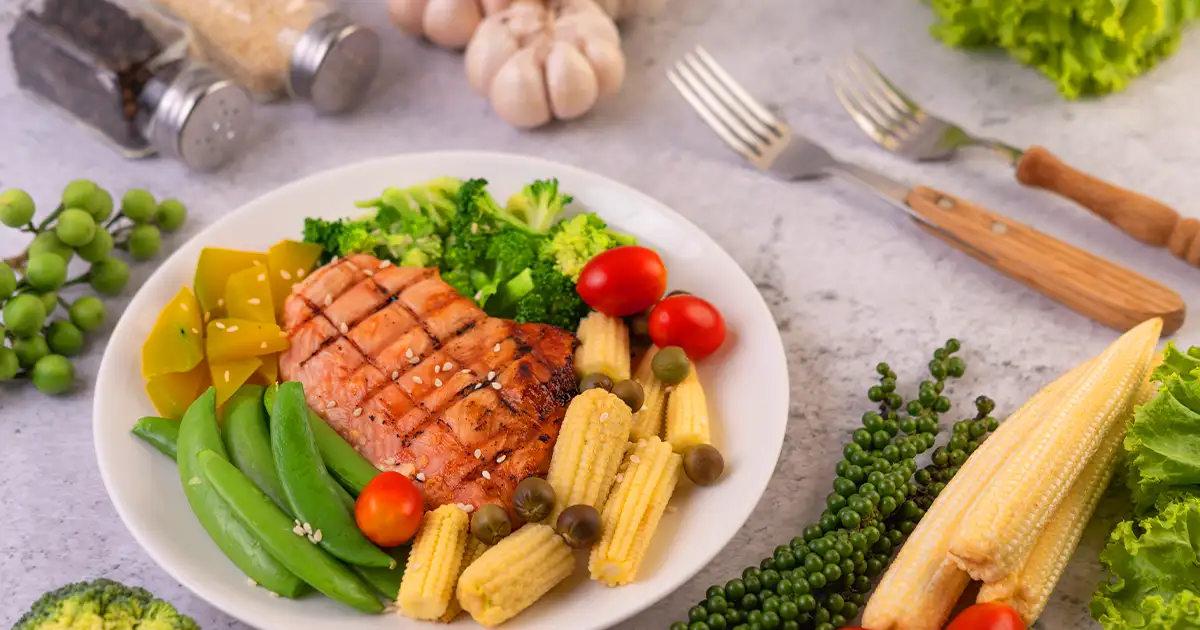
Getting a PCOS diagnosis is the easy part. Figuring out what to actually eat — when half the internet says

The desire that used to feel automatic is just… gone. You’re not avoiding your partner — you’re not interested. You’re