Free Body Age Calculator — Find Your Biological Age | WellCal

Body Age Calculator

Estimate your biological age based on lifestyle factors

Your age 40
vs
Body age 38
2 years younger
⬇️
Younger Older

Contributing factors

  • BMI: Normal (-1)
  • Exercise: Moderate (-2)
  • Smoking: Non-smoker (0)
  • Alcohol: Rarely (0)
  • Sleep: 6-8h (0)
  • Stress/diet: Moderate (0)
Healthy BMI: 18.5–24.9 → Normal
🙂 Your body age is close to your actual age. Keep maintaining your routine!
Estimate based on lifestyle factors – for informational use only.

What Is a Body Age Calculator & How Does It Work?

A body age calculator — also called a biological age calculator or physiological age calculator — estimates how old your body actually is based on the condition of your cells, organs, and overall health, rather than simply counting the years since you were born. WellCal's free tool evaluates key lifestyle factors that research has consistently linked to the rate of biological aging, including physical activity, sleep quality, BMI, diet habits, stress levels, and substance use.

According to the National Institutes of Health (NIH), biological age is a more meaningful predictor of health outcomes and longevity than chronological age alone. Two people who are both 45 years old can have vastly different biological ages depending entirely on the lifestyle choices they have made. The science of aging — including epigenetics, telomere research, and biomarker analysis — confirms that the way you live has a direct, measurable impact on how fast your body ages at the cellular level.

After checking your body age, pair it with WellCal's BMI Calculator for a weight assessment, the Calorie Calculator for your daily energy needs, and the Sleep Calculator to optimize your most powerful anti-aging tool — all free, no sign-up required.

Medical Disclaimer: WellCal's Body Age Calculator is a lifestyle-based educational tool and is not a clinical diagnostic test. It is not a substitute for professional medical advice, diagnosis, or treatment. For a clinically precise biological age measurement, epigenetic testing such as DNA methylation analysis is available through specialist providers. Always consult a licensed healthcare provider before making significant changes to your health routine.

What Affects Your Biological Age — And How to Improve Each Factor

Biological age is shaped by a combination of lifestyle habits that you can directly control. Here are the most impactful factors — and the free WellCal tools that help you optimize each one.

🏃

Physical Activity — The Single Most Powerful Anti-Aging Lever

Regular aerobic exercise is the most consistently proven lifestyle intervention for slowing biological aging. Research published in peer-reviewed journals including the The Lancet shows that physically active adults have telomeres — the protective caps on DNA that shorten with age — that are biologically 9 years younger on average than sedentary peers. The American Heart Association recommends at least 150 minutes of moderate-intensity aerobic exercise per week. Even brisk walking has measurable anti-aging effects at the cellular level.

😴

Sleep Quality — Your Body's Primary Repair and Regeneration System

During deep sleep, your body carries out critical cellular repair, hormone regulation, and immune system maintenance that are central to slowing biological aging. Chronic sleep deprivation has been directly linked to accelerated epigenetic aging, increased inflammation, and higher risk of metabolic disease according to NIH research. Adults who consistently sleep 7–9 hours per night in properly aligned sleep cycles have measurably younger biological ages than those who sleep less. Use WellCal's free Sleep Calculator to find your ideal bedtime aligned with your natural 90-minute sleep cycles — so you wake refreshed and actually complete your body's nightly repair process.

⚖️

Body Weight & BMI — Excess Weight Accelerates Every Aging Pathway

Excess body weight — particularly visceral fat stored around the abdomen — is one of the most significant drivers of accelerated biological aging. Visceral fat is metabolically active, producing chronic low-grade inflammation that damages cells throughout the body and is directly associated with shorter telomere length and faster epigenetic aging. The CDC confirms that maintaining a healthy weight significantly reduces the risk of conditions that accelerate aging including type 2 diabetes, cardiovascular disease, and certain cancers. Use WellCal's BMI Calculator to check your current weight status, then the Calorie Calculator to understand how to reach and maintain a healthy weight.

🥗

Diet Quality — You Age at the Speed of What You Eat

The quality of your diet has a profound impact on biological aging through multiple mechanisms including inflammation, oxidative stress, insulin signaling, and gut microbiome health. Harvard T.H. Chan School of Public Health research consistently links diets rich in whole foods, vegetables, lean protein, and healthy fats with slower biological aging and lower disease risk. Ultra-processed food consumption, by contrast, is associated with significantly accelerated aging markers. WellCal's Macro Calculator helps you plan the right balance of protein, carbohydrates, and fats for your health goals, while the Fiber Calculator ensures your gut health is supporting healthy aging.

🥩

Protein Intake — Essential for Preserving Muscle and Slowing Aging

Loss of muscle mass (sarcopenia) is one of the most significant markers and accelerators of biological aging. After age 30, adults lose 3–5% of muscle mass per decade without adequate protein intake and resistance exercise — a process that dramatically ages the body's functional capacity. The Academy of Nutrition and Dietetics recommends 0.8–1g of protein per pound of body weight for active adults. Adequate protein supports muscle preservation, immune function, and tissue repair — all of which keep biological aging in check. Use WellCal's Protein Intake Calculator to find your daily target.

💧

Hydration — Chronically Dehydrated Cells Age Faster

Proper hydration is essential for cellular function, nutrient transport, toxin elimination, and every biological process involved in healthy aging. A landmark study published in eBioMedicine (Lancet) found that adults who stay well-hydrated throughout their lives have lower rates of biological aging markers, develop fewer chronic diseases, and live longer than those who are chronically mildly dehydrated. Serum sodium levels — a marker of long-term hydration status — were directly correlated with biological aging rate. Use WellCal's Water Intake Calculator to get your personalized daily hydration target based on weight, activity, and climate.

🚭

Smoking & Alcohol — Among the Fastest Biological Age Accelerators

Smoking is one of the most powerful known accelerators of biological aging at every level — from epigenetic methylation patterns to telomere length to organ function. Research shows that long-term smokers have a biological age up to 10 years older than non-smokers of the same chronological age. Excess alcohol consumption similarly accelerates aging through liver damage, inflammation, and oxidative stress. The WHO identifies tobacco use as the single most preventable cause of disease and premature aging globally. Quitting smoking is the single most impactful lifestyle change most smokers can make to immediately reduce biological age.

🧠

Stress & Mental Health — Chronic Stress Ages the Brain and Body

Chronic psychological stress triggers a sustained cortisol response that promotes inflammation, disrupts sleep, impairs immune function, and has been directly linked to accelerated telomere shortening. The Mayo Clinic confirms that chronic unmanaged stress is a significant contributor to premature biological aging and increased risk of cardiovascular disease, metabolic disorders, and cognitive decline. Effective stress management — through exercise, mindfulness, social connection, and sleep — is a key component of any biological age reduction strategy. Regularly tracking your health metrics with WellCal's free tools is itself a form of proactive stress management through informed self-awareness.

6 Proven Ways to Reduce Your Biological Age

Biological age is not fixed — it responds directly to lifestyle changes. These are the six most evidence-backed strategies for slowing and reversing biological aging, grounded in published research.

🏃
Exercise Consistently — 150 Min/Week Minimum
Regular aerobic exercise — especially brisk walking, cycling, swimming, or running — has been shown to extend telomere length, reduce inflammatory markers, and produce biological ages up to 9 years younger than sedentary individuals. Strength training preserves muscle mass and metabolic health. Both are essential for slowing aging.
😴
Protect 7–9 Hours of Quality Sleep
Sleep is when your body repairs DNA damage, consolidates memory, regulates hormones, and clears cellular waste products. Consistently achieving 7–9 hours of quality, cycle-aligned sleep is one of the most potent anti-aging behaviors available — and it's completely free. Use WellCal's Sleep Calculator to plan your ideal sleep schedule.
🥗
Eat a Whole-Food, Anti-Inflammatory Diet
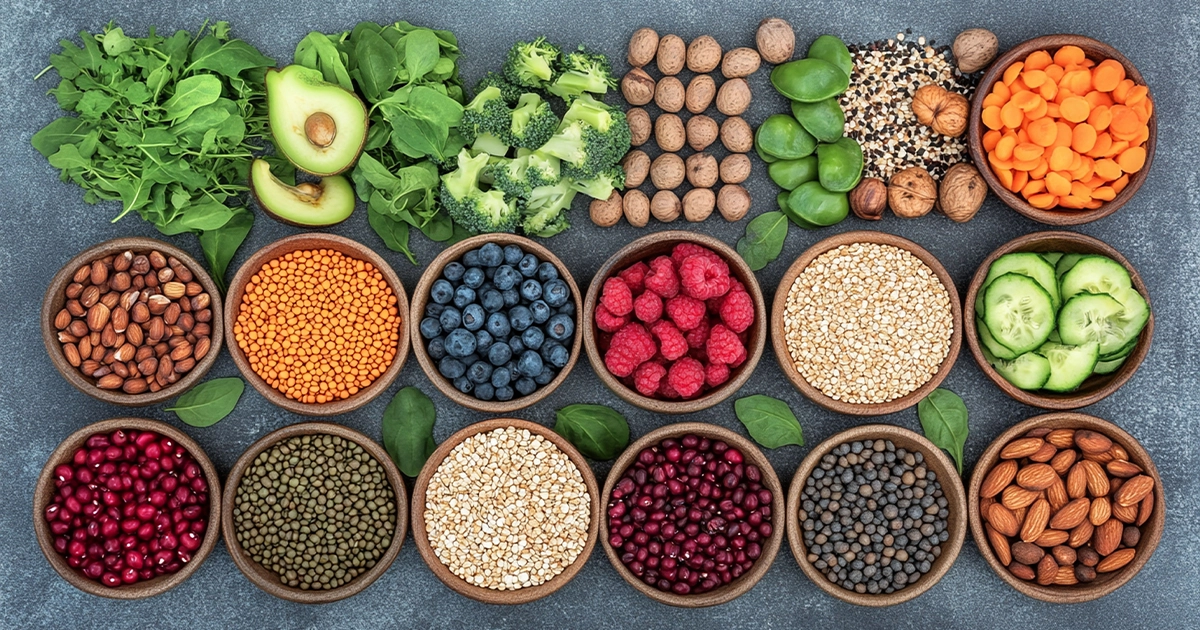
Diets rich in vegetables, fruit, whole grains, lean protein, and healthy fats — such as the Mediterranean diet — are consistently linked to slower biological aging in long-term studies. Reducing ultra-processed food, refined sugar, and excessive red meat consumption directly reduces the inflammatory load that accelerates cellular aging.
⚖️
Achieve and Maintain a Healthy Body Weight
Reducing excess body fat — particularly visceral abdominal fat — directly reduces chronic inflammation, improves insulin sensitivity, and lowers the biological aging rate. Even modest weight loss of 5–10% of body weight produces measurable improvements in aging biomarkers. Use WellCal's BMI Calculator and Calorie Calculator to build your weight management plan.
🚭
Quit Smoking and Limit Alcohol
Quitting smoking is the single most impactful change most people can make to reduce their biological age. Studies show measurable epigenetic improvements within weeks of quitting. Limiting alcohol to recommended guidelines — or eliminating it entirely — similarly reduces oxidative stress, liver damage, and inflammatory aging pathways.
💧
Stay Consistently Well-Hydrated
Long-term adequate hydration is directly associated with slower biological aging, fewer chronic diseases, and extended healthy lifespan according to NIH-supported research. Most adults are chronically mildly dehydrated without realizing it. Use WellCal's Water Intake Calculator for a precise personalized daily hydration target.

Frequently Asked Questions About Biological Age

What is a biological age calculator?
A biological age calculator estimates how old your body actually is — based on lifestyle factors like exercise, sleep, diet, stress, BMI, and smoking — rather than just the number of years you've been alive. It reveals whether your body is aging faster or slower than your chronological age, giving you a far more meaningful picture of your true health trajectory than your birthday alone ever could.
What is the difference between biological age and chronological age?
Chronological age is simply the number of years since you were born. Biological age (also called body age or physiological age) reflects the actual functional state of your body's cells, organs, and systems — shaped by your genetics, environment, and lifestyle habits. Two people who are both 50 years old can have biological ages of 40 and 65 respectively, depending entirely on how they have lived. Biological age is the number that actually predicts health outcomes, disease risk, and longevity.
What factors affect your biological age?
The key lifestyle factors that most significantly influence biological age include: physical activity level and exercise frequency, sleep quality and duration, diet quality and calorie intake, body weight and BMI, smoking status, alcohol consumption, chronic stress levels, and the presence of conditions such as hypertension or type 2 diabetes. Genetics also play a role, but research estimates that lifestyle factors account for the majority — up to 70–80% — of variation in biological age.
Can you reduce your biological age?
Yes — and this is one of the most exciting findings in modern aging science. Research consistently shows that positive lifestyle changes produce measurable reductions in biological age within months. Quitting smoking, beginning regular exercise, improving sleep quality, reducing body weight, and adopting a nutrient-dense diet have all been shown to reverse biological aging markers including telomere length, epigenetic methylation patterns, and inflammatory biomarkers. WellCal's tools are designed to support each of these changes. Read our guide on how to improve your body age naturally for a detailed action plan.
How accurate is WellCal's Body Age Calculator?
WellCal's Body Age Calculator uses a scientifically grounded model built on lifestyle risk factors that are strongly associated with biological aging in published peer-reviewed research. It provides a reliable and meaningful educational wellness estimate. However, it is not a clinical diagnostic test. The most precise biological age measurements use epigenetic biomarkers — such as DNA methylation analysis (epigenetic clocks like Horvath's clock) — which require laboratory testing. WellCal's calculator is designed to be a motivating, accessible, and accurate starting point for self-assessment.
What is a good biological age?
A biological age lower than your chronological age is a positive sign that your lifestyle habits are producing slower-than-average aging. The further below your chronological age, the better. A biological age equal to your chronological age is typical. A biological age higher than your chronological age — particularly by 5 years or more — signals that lifestyle or health risk factors are accelerating your aging process and warrants attention and action.
How often should I check my body age?
Checking your body age every 3–6 months is ideal. This allows sufficient time for meaningful lifestyle changes to take effect and produce measurable differences in your result. Biological aging responds to lifestyle changes over weeks to months — not days — so checking too frequently can be discouraging and misleading. When actively working to improve your result, 3-monthly assessments provide motivating feedback on your progress.
Does body age affect life expectancy?
Yes, significantly. Biological age is a stronger predictor of mortality and disease risk than chronological age in multiple long-term studies. People with a biological age younger than their chronological age have statistically lower rates of cardiovascular disease, cancer, diabetes, and cognitive decline — and measurably longer healthy lifespans. Conversely, a biological age significantly older than chronological age is associated with increased all-cause mortality risk, independent of other factors.
What should I do after getting my body age result?
Use your body age result to identify the lifestyle areas with the most room for improvement. Start with the factor where you scored lowest — whether that's sleep, exercise, diet, or body weight. Then use WellCal's BMI Calculator for a weight baseline, the Calorie Calculator for your daily energy needs, the Sleep Calculator for cycle-aligned sleep, and the Water Intake Calculator for hydration — all free, no sign-up required. Revisit your body age in 3–6 months to measure your progress.

Blogs