
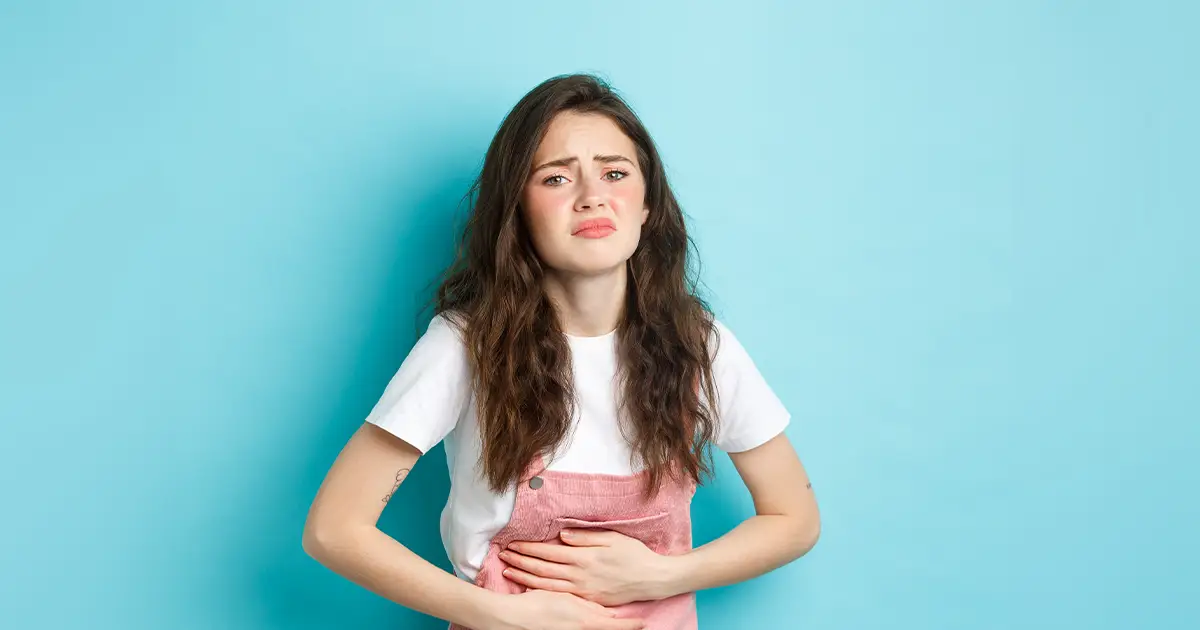
If you’ve noticed stubborn weight settling around your midsection that just won’t budge — even when you eat well and exercise — and you’ve been diagnosed with polycystic ovary syndrome, you’re not imagining things. PCOS belly is a real, hormone-driven pattern of abdominal weight gain that affects millions of women, and it follows different rules than typical weight gain. In this guide, you’ll learn exactly what causes PCOS belly, the key PCOS symptoms tied to it, whether PCOS causes weight gain (spoiler: yes, and there’s a clear reason why), and the science-backed steps for losing weight with PCOS. We’ll also cover how to treat polycystic ovarian disease at the lifestyle and medical level so you can finally feel in control of your body again.
What Is PCOS Belly?
PCOS belly is a colloquial term for the rounded, often firm midsection that develops in women with polycystic ovary syndrome due to hormonal imbalances, insulin resistance, and elevated cortisol. Unlike typical weight gain, this fat tends to concentrate around the waist — creating an “apple shape” — and can appear even in women who are otherwise lean.
According to Cleveland Clinic, a PCOS belly is typically a round midsection that feels firm rather than soft, because much of the fat sits deep around the internal organs. That deep fat is called visceral fat, and it behaves very differently than the fat just under your skin.
What Does PCOS Belly Look Like?
The look isn’t always the same from one person to the next, but a few patterns stand out:
- A waist-to-hip ratio greater than 0.87 (an “apple-shaped” body)
- A firm, rounded midsection that doesn’t soften with general weight loss
- A noticeable belly even when arms, legs, and hips remain slim
- Persistent bloating that may worsen with certain foods
- Difficulty losing inches around the waist despite calorie cuts
You can have a healthy BMI and still have a PCOS belly, which is why a BMI Calculator only tells part of the story. Many lean women with PCOS still carry a higher proportion of abdominal fat compared to women without the condition.
Does PCOS Cause Weight Gain? Here’s the Science
Yes — PCOS does cause weight gain for a large portion of women who have it, and the mechanism is rooted in hormones, not willpower. Research published in the Journal of Clinical Endocrinology & Metabolism confirms that insulin resistance is a core feature of PCOS, and women with PCOS show a higher rate of weight gain over time and a greater prevalence of overweight and obesity than the general population.
Here’s the cycle that drives it:
- Insulin resistance — Your cells stop responding to insulin properly, so your pancreas pumps out more of it.
- High insulin levels — Excess insulin signals your body to store fat, especially around the belly, and stimulates the ovaries to produce more androgens.
- Elevated androgens — These “male” hormones (like testosterone) shift fat storage toward the abdomen, the way it tends to settle on men.
- More belly fat — Abdominal fat further worsens insulin resistance, feeding the cycle.
This is why women often describe PCOS weight gain as feeling “stuck.” The body is biologically working against typical weight-loss strategies. Tracking your daily energy needs with a Calorie Calculator is still useful, but you’ll likely also need to address insulin sensitivity directly.
PCOS Symptoms You Shouldn’t Ignore
PCOS belly rarely shows up alone. It’s typically one piece of a larger pattern of PCOS symptoms driven by hormonal imbalance. According to Johns Hopkins Medicine, the most common signs include:
- Irregular or missed periods — A hallmark sign, often the first one women notice
- Excess facial or body hair (hirsutism) — Especially on the chin, upper lip, chest, or stomach
- Acne or oily skin — Particularly on the jawline, chest, and back
- Thinning hair on the scalp — Male-pattern hair loss
- Weight gain or difficulty losing weight — Especially around the abdomen
- Skin darkening (acanthosis nigricans) — Around the neck, armpits, or groin
- Trouble getting pregnant — Due to irregular ovulation
- Mood changes — Including anxiety, depression, and irritability
- Fatigue and brain fog — Often linked to blood sugar swings
If you’re noticing several of these alongside abdominal weight gain, it’s worth booking an appointment with your healthcare provider. PCOS isn’t diagnosed by a single test — it’s confirmed through a combination of menstrual history, blood work, and sometimes a pelvic ultrasound.
How PCOS Symptoms Map to Hormones
| Symptom | Underlying Hormone Imbalance |
|---|---|
| Belly fat, weight gain | Insulin resistance, high cortisol |
| Hair growth, acne, hair loss | Elevated androgens (testosterone) |
| Irregular periods, infertility | Anovulation, low progesterone |
| Mood swings, fatigue | Blood sugar instability, inflammation |
| Skin darkening | High insulin levels |
You can also screen your metabolic risk with our Diabetes Risk Calculator, since up to 80% of PCOS cases involve some degree of insulin resistance — a major precursor to type 2 diabetes.
What Causes PCOS Belly? The Three Main Drivers
Three biological forces work together to create that stubborn midsection. Understanding each one is the foundation for losing weight with PCOS effectively.
1. Insulin Resistance
When your cells resist insulin, sugar from food can’t enter them efficiently. Your pancreas responds by releasing more insulin to compensate. Over time, those high insulin levels push your body into “fat-storage mode,” and the abdomen is the preferred deposit site. Research from the NIH shows that women with PCOS have higher rates of visceral fat and waist-to-hip ratio compared to women without PCOS, even at the same BMI.
2. Elevated Androgens
PCOS drives up “male” hormones like testosterone. These androgens shift fat distribution from the hips and thighs toward the belly — which is why even slim women with PCOS can develop a noticeable midsection. The higher your androgen levels, the more pronounced this pattern tends to be.
3. Chronic Stress and Cortisol
Cortisol, your body’s main stress hormone, also signals fat storage in the belly. Women with PCOS often have elevated baseline cortisol, partly because chronic inflammation and poor sleep keep the stress response activated. As Northwell Health notes, hormonal disruptions including cortisol from chronic stress may increase fat storage in the midsection over time, creating a feedback loop that’s biologically hard to break.
To support your stress recovery, getting enough rest is non-negotiable. Use a Sleep Calculator to dial in your bedtime, since poor sleep alone can spike cortisol and worsen insulin resistance the very next day.
How to Lose Weight With PCOS: A Realistic Approach
Losing weight with PCOS isn’t impossible — but it does require a different playbook. Standard “eat less, move more” advice often falls short because it doesn’t address the hormonal root. Here’s what actually works, based on the 2023 International Evidence-Based Guideline for PCOS and recent research.
Build Every Meal Around Protein and Fiber
Protein and fiber stabilize blood sugar, reduce insulin spikes, and keep you fuller longer. Aim for a palm-sized portion of protein (chicken, fish, eggs, tofu, Greek yogurt) and a generous serving of non-starchy vegetables at every meal.
A Protein Intake Calculator can help you nail your daily target. Most women with PCOS do well at 0.8 to 1 gram of protein per pound of goal body weight.
Choose Low-Glycemic Carbohydrates
Refined carbs and sugar are the biggest insulin triggers. Swap white bread, white rice, sugary cereals, and pastries for slower-digesting options:
- Steel-cut oats instead of instant oatmeal
- Quinoa, farro, or barley instead of white rice
- Sweet potato instead of regular fries
- Berries instead of fruit juice
- Lentils and beans for plant-based meals
A Mediterranean-style eating pattern — heavy on vegetables, olive oil, fish, nuts, and legumes — has consistently shown benefits for women with PCOS in peer-reviewed research.
Eat Enough — Don’t Crash Diet
Severe calorie restriction backfires with PCOS. It elevates cortisol, lowers thyroid function, and can make insulin resistance worse. A modest calorie deficit (around 300–500 calories below maintenance) paired with strength training is far more sustainable. Plan your daily targets with a Macro Calculator so you’re fueling, not starving, your body.
Don’t Forget Hydration
Adequate water supports metabolism, digestion, and appetite control. Aim for half your body weight in ounces daily — a Water Intake Calculator can give you a personalized number.
Best Exercise for Losing PCOS Belly
Exercise might be the single most underrated tool for managing PCOS belly. The Endocrine Society recommends physical activity as a first-line treatment, and the type matters more than total hours.
Strength Training (2–4x per week)
Building lean muscle is the closest thing to a long-term fix for insulin resistance. Muscle tissue acts like a sponge for blood glucose, pulling it out of your bloodstream and lowering insulin demand. Focus on compound movements:
- Squats, lunges, deadlifts
- Push-ups, rows, overhead presses
- Hip thrusts and glute bridges
Even two 30-minute sessions per week make a measurable difference within 8–12 weeks.
Vigorous Aerobic Exercise (2–3x per week)
According to research published by the NIH, vigorous aerobic exercise specifically improves body composition, cardiorespiratory fitness, and insulin resistance in women with PCOS. Think:
- Brisk hill walking
- Cycling intervals
- Swimming laps
- Dance cardio or boxing classes
Daily Walking
Don’t underestimate steps. A 10–15 minute walk after meals helps blunt the post-meal blood sugar spike — one of the simplest, most effective habits for taming insulin levels.
Stress-Lowering Movement
Yoga, Pilates, and tai chi don’t burn the most calories, but they lower cortisol — which directly helps reduce belly fat. Adding two sessions a week creates a powerful complement to your harder training days.
How to Treat Polycystic Ovarian Disease: Medical Options
Lifestyle is the foundation, but for many women, medical treatment is what closes the gap. Here’s how to treat polycystic ovarian disease beyond diet and exercise — based on current clinical guidelines.
Metformin
Metformin is a medication originally developed for type 2 diabetes that improves how your body uses insulin. According to Medscape, metformin is recommended for adults with PCOS who have a BMI of 25 or higher, primarily to manage insulin resistance, glucose, and lipid levels. Many women report easier weight management and more regular cycles within a few months.
Hormonal Birth Control
Combined oral contraceptives can regulate periods, lower androgens (helping with acne and hair growth), and protect the uterine lining. They don’t directly treat insulin resistance or belly fat, but they manage other key PCOS symptoms.
GLP-1 Receptor Agonists
A newer class of medications (semaglutide, liraglutide) is showing strong results in women with PCOS who also have obesity or insulin resistance. Recent reviews suggest combination therapy with metformin and GLP-1 agonists offers comprehensive benefits for both reproductive and metabolic features of PCOS. These require a prescription and medical monitoring.
Inositol Supplements
Myo-inositol and d-chiro-inositol are naturally occurring compounds that have shown promise for improving insulin sensitivity and ovulation in women with PCOS. They’re available over the counter, but talk to your provider before starting any supplement.
Anti-Androgen Medications
For severe hirsutism or acne, doctors sometimes prescribe spironolactone or other anti-androgens to block testosterone’s effects on skin and hair.
Fertility Treatments
If you’re trying to conceive, options like letrozole, clomiphene, or IVF may be considered. Weight loss of even 5–10% can dramatically improve fertility outcomes in PCOS, often restoring ovulation on its own.
Know the Limits — Important Considerations
PCOS is a complex, lifelong condition, and progress with PCOS belly is rarely linear. A few honest truths to keep in mind:
- Lean PCOS exists. You can have all the metabolic features of PCOS without being overweight. Insulin resistance can be present even at a normal BMI.
- Weight loss isn’t always the goal. Many women improve insulin sensitivity, mood, and cycle regularity without major weight changes. Health is the goal, not a number.
- Hormonal birth control isn’t a fix for belly fat. It manages symptoms but doesn’t address insulin resistance.
- Spot reduction is a myth. You can’t target belly fat specifically — overall metabolic improvement is what reduces it.
- Bloating isn’t the same as PCOS belly. True PCOS belly is persistent fat gain. Bloating fluctuates with digestion and may indicate IBS or food sensitivities, which research suggests are more common in women with PCOS.
- It takes time. Most women see meaningful changes after 3–6 months of consistent effort, not weeks.
If you’re not seeing progress despite consistent effort, work with an endocrinologist or registered dietitian who specializes in PCOS. Self-management has limits, and you don’t have to figure this out alone.
Frequently Asked Questions About PCOS Belly
Can you get rid of PCOS belly?
Yes, you can reduce PCOS belly with consistent lifestyle changes that target insulin resistance, even though it’s harder than typical weight loss. Strength training, a low-glycemic diet rich in protein and fiber, stress management, and adequate sleep are the foundation. For some women, medications like metformin or GLP-1 agonists provide additional support. Most see noticeable changes within 3–6 months. Track your progress beyond the scale with our Body Age Calculator.
How do I know if my belly is from PCOS or just weight gain?
PCOS belly typically feels firm rather than soft, sits high around the waistline, and creates an “apple-shaped” body where the rest of you may stay lean. It’s also usually paired with other PCOS symptoms like irregular periods, acne, excess hair growth, or trouble losing weight despite effort. A waist-to-hip ratio above 0.87 is a common marker. Only a healthcare provider can confirm PCOS through blood work and clinical evaluation.
Does PCOS cause weight gain even if I eat healthy?
Yes — PCOS can cause weight gain even when you eat well, because the underlying issue is hormonal, not calorie-based. High insulin levels signal fat storage regardless of diet quality, and elevated androgens shift that fat to the belly. Healthy eating still matters tremendously, but you may need to specifically target insulin sensitivity through low-glycemic foods, strength training, and possibly medication to see real progress.
What is the best diet for losing weight with PCOS?
The best diet for losing weight with PCOS is one that stabilizes blood sugar and reduces insulin spikes — typically a Mediterranean or low-glycemic eating pattern. That means generous protein, plenty of non-starchy vegetables, healthy fats from olive oil, nuts, and fish, and slow-digesting carbs like beans, quinoa, and berries. Avoid added sugar, refined grains, and ultra-processed foods. Use our Macro Calculator to set personalized targets.
How long does it take to lose PCOS belly fat?
Most women begin noticing changes in PCOS belly fat after 8–12 weeks of consistent lifestyle changes, with more substantial results between 3 and 6 months. The timeline depends on your starting point, severity of insulin resistance, sleep quality, and stress levels. Patience matters — PCOS responds slowly but steadily to the right inputs, and rapid weight loss often backfires by raising cortisol.
Can stress make PCOS belly worse?
Yes, chronic stress significantly worsens PCOS belly. Stress raises cortisol, which directly promotes abdominal fat storage and worsens insulin resistance. It can also disrupt sleep, drive sugar cravings, and trigger emotional eating. Managing stress through deep breathing, regular movement, time outdoors, and adequate sleep is just as important as diet for shrinking PCOS belly.
Conclusion
PCOS belly isn’t a willpower problem — it’s a hormonal one, driven by insulin resistance, elevated androgens, and chronic stress. The good news is that the same hormone systems that create it can also be retrained. With low-glycemic nutrition, strength-focused exercise, quality sleep, stress management, and (when appropriate) medical support, losing weight with PCOS becomes genuinely achievable. Start with one habit this week — a 15-minute post-meal walk, an extra serving of protein, or a consistent bedtime — and build from there.
Ready to take the next step? Run your numbers through our Calorie Calculator to set a sustainable starting point, and pair it with the Protein Intake Calculator to make sure you’re fueling your body for hormonal balance, not just weight loss.
Medical Disclaimer: This content is for informational and educational purposes only. It is not intended as medical advice, diagnosis, or treatment. PCOS is a complex condition that requires professional evaluation. Always consult a qualified healthcare provider before making changes to your diet, exercise routine, supplements, or medications. Individual results may vary. WellCal’s calculators and content are screening tools, not diagnostic instruments.