Uncategorized
7-Day High-Protein Liquid Diet Plan (Medically Guided)
A high-protein liquid diet is a short-term eating plan where all meals come from liquids that are rich in protein.

Estimate your fertile window and ovulation date
An ovulation calculator is a fertility awareness tool that estimates the dates of your fertile window — the roughly five to six days each menstrual cycle when conception is biologically possible. It does this by taking the first day of your last menstrual period (LMP) and your average cycle length, then applying a standardised formula to predict when ovulation is most likely to occur. This approach is endorsed by the World Health Organization as a foundational fertility awareness method, and forms the basis of the calendar or rhythm method recognised by the American College of Obstetricians and Gynecologists (ACOG) and the National Institute of Child Health and Human Development (NICHD).
The core formula used is: Estimated Ovulation Day = First Day of Last Period + (Average Cycle Length − 14). The figure 14 represents the average luteal phase length — the time from ovulation to the next period — which is relatively consistent across individuals at 12–16 days, unlike the more variable follicular phase. For example, if your last period began on 1 March and your cycle averages 30 days, your estimated ovulation day is 17 March, with your fertile window running approximately 12–18 March. Sperm can survive in the reproductive tract for up to five days, which is why the window begins several days before the egg is actually released. Because egg viability lasts only 12–24 hours after ovulation, timing intercourse in the two to three days just before ovulation offers the highest probability of conception.
For the most complete picture of your reproductive health, use this ovulation calculator alongside WellCal's Pregnancy Due Date Calculator once conception is confirmed, our BMI Calculator to assess whether your weight is within the range that supports healthy ovulation, and our Calorie Calculator to ensure your energy intake supports hormonal balance and menstrual regularity.
Ovulation is governed by a cascade of hormones and influenced by everything from your stress levels to your body composition. Understanding these factors helps you interpret your calculator results more accurately and identify when it's worth seeking professional support.
The single biggest variable in any ovulation calculation is your cycle length. A "normal" cycle ranges from 21 to 35 days, according to the American College of Obstetricians and Gynecologists, meaning ovulation can legitimately occur anywhere from day 7 to day 21 depending on your personal baseline. A calculator is only as accurate as the cycle-length data you feed it — averaging your last three to six cycles gives a far better estimate than relying on a single month. Track your cycle dates with WellCal's Pregnancy Due Date Calculator to build a consistent personal record over time. Research shows that cycle variability of more than nine days between months significantly reduces the reliability of calendar-based fertile window predictions.
After ovulation, rising progesterone causes a sustained increase in basal body temperature (BBT) of approximately 0.2–0.5°C that persists until your next period. Charting this daily — using a thermometer accurate to 0.1°C, taken at the same time each morning before getting out of bed — allows you to confirm ovulation has occurred retrospectively and, over several cycles, predict it prospectively. The NHS recommends combining BBT charting with calendar tracking for improved accuracy. Pair your BBT data with your Sleep Calculator results — poor sleep disrupts cortisol and melatonin rhythms, which can flatten or mask your normal BBT shift.
Body fat plays a direct role in oestrogen production and regulation. Both significantly low body weight (BMI below 18.5) and obesity (BMI above 30) are associated with irregular or absent ovulation. The NICHD notes that adipose tissue converts androgens to oestrogen via aromatase; excess fat can cause oestrogen dominance that disrupts the LH surge required to trigger ovulation. Even a 5–10% change in body weight can restore ovulatory cycles in women at the extremes of the BMI range. Use WellCal's BMI Calculator to check whether your weight may be a contributing factor to cycle irregularity, then support a healthy body composition with our Calorie Calculator.
Chronic psychological or physical stress elevates cortisol, which suppresses the hypothalamic-pituitary-ovarian (HPO) axis — the hormonal cascade that drives follicle development and the LH surge required for ovulation. This can delay ovulation, shorten the luteal phase, or prevent ovulation entirely in a given cycle. A study published in Human Reproduction found that women with higher salivary alpha-amylase (a biomarker of stress) had a 29% lower probability of conception each cycle. Managing stress through sleep, nutrition, and movement is therefore directly relevant to fertile window predictability. Check your ideal sleep duration as a first step — even partial sleep deprivation measurably raises cortisol levels.
Adequate caloric intake and specific micronutrients are essential for ovulation. Deficiencies in iron, folate, zinc, vitamin D, and iodine have all been linked to anovulatory cycles or impaired luteal function. A Harvard T.H. Chan School of Public Health analysis of the Nurses' Health Study found that a diet rich in plant-based protein, whole grains, and high-fat dairy was associated with a significantly lower risk of ovulatory infertility compared to diets high in animal protein and refined carbohydrates. Adequate fibre intake also helps the body excrete excess oestrogen via the gut; use WellCal's Fibre Calculator to check whether you are meeting the recommended 25–38 g per day, and our Macro Calculator to optimise your carbohydrate, protein, and fat balance for hormonal health.
Both hypothyroidism and hyperthyroidism can significantly alter menstrual cycle length and suppress or delay ovulation. Thyroid hormones interact directly with the HPO axis; elevated TSH from hypothyroidism, for example, also raises prolactin, which inhibits the GnRH pulse that initiates follicular development. The National Institute of Diabetes and Digestive and Kidney Diseases (NIDDK) estimates that thyroid disease affects up to 20 million Americans, with women being five to eight times more likely to be affected than men — yet many remain undiagnosed. If your cycles are consistently shorter than 21 days, longer than 35 days, or highly irregular, requesting a thyroid panel from your GP is a worthwhile first investigation. Track your weight stability alongside cycle data using WellCal's BMI Calculator as an additional indicator of thyroid health.
Moderate physical activity supports hormonal health and can improve cycle regularity, particularly in women with PCOS. However, high-volume or high-intensity training — particularly when combined with caloric restriction — can suppress the HPO axis and lead to hypothalamic amenorrhoea (HA), a condition where ovulation ceases entirely. Female athletes in sports with weight classifications or aesthetic judging are at elevated risk. The ACOG identifies HA as a component of the Female Athlete Triad alongside low energy availability and low bone density. If you train intensively, monitor whether your cycles are becoming shorter, lighter, or absent — and use WellCal's Calorie Calculator and Protein Calculator to ensure you are meeting your energy and macronutrient needs to sustain normal ovulatory function.
Adequate hydration directly affects the quality and quantity of cervical mucus — one of the most reliable physiological indicators of the fertile window. In the days approaching ovulation, cervical mucus should transition from thick and opaque to clear, stretchy, and slippery (often described as egg-white consistency); this change signals peak fertility and provides a hospitable environment for sperm. Chronic dehydration can impair this transition, reducing both the reliability of cervical mucus as a fertility sign and, potentially, sperm motility. The National Academies of Sciences recommends approximately 2.7 litres (91 oz) of total water per day for adult women. Use WellCal's Water Intake Calculator to calculate your personalised daily hydration target based on your weight and activity level.
Ovulation is governed by a cascade of hormones and influenced by everything from your stress levels to your body composition. Understanding these factors helps you interpret your calculator results more accurately and identify when it's worth seeking professional support.
The single biggest variable in any ovulation calculation is your cycle length. A "normal" cycle ranges from 21 to 35 days, according to the American College of Obstetricians and Gynecologists, meaning ovulation can legitimately occur anywhere from day 7 to day 21 depending on your personal baseline. A calculator is only as accurate as the cycle-length data you feed it — averaging your last three to six cycles gives a far better estimate than relying on a single month. Track your cycle dates with WellCal's Pregnancy Due Date Calculator to build a consistent personal record over time. Research shows that cycle variability of more than nine days between months significantly reduces the reliability of calendar-based fertile window predictions.
After ovulation, rising progesterone causes a sustained increase in basal body temperature (BBT) of approximately 0.2–0.5°C that persists until your next period. Charting this daily — using a thermometer accurate to 0.1°C, taken at the same time each morning before getting out of bed — allows you to confirm ovulation has occurred retrospectively and, over several cycles, predict it prospectively. The NHS recommends combining BBT charting with calendar tracking for improved accuracy. Pair your BBT data with your Sleep Calculator results — poor sleep disrupts cortisol and melatonin rhythms, which can flatten or mask your normal BBT shift.
Body fat plays a direct role in oestrogen production and regulation. Both significantly low body weight (BMI below 18.5) and obesity (BMI above 30) are associated with irregular or absent ovulation. The NICHD notes that adipose tissue converts androgens to oestrogen via aromatase; excess fat can cause oestrogen dominance that disrupts the LH surge required to trigger ovulation. Even a 5–10% change in body weight can restore ovulatory cycles in women at the extremes of the BMI range. Use WellCal's BMI Calculator to check whether your weight may be a contributing factor to cycle irregularity, then support a healthy body composition with our Calorie Calculator.
Chronic psychological or physical stress elevates cortisol, which suppresses the hypothalamic-pituitary-ovarian (HPO) axis — the hormonal cascade that drives follicle development and the LH surge required for ovulation. This can delay ovulation, shorten the luteal phase, or prevent ovulation entirely in a given cycle. A study published in Human Reproduction found that women with higher salivary alpha-amylase (a biomarker of stress) had a 29% lower probability of conception each cycle. Managing stress through sleep, nutrition, and movement is therefore directly relevant to fertile window predictability. Check your ideal sleep duration as a first step — even partial sleep deprivation measurably raises cortisol levels.
Adequate caloric intake and specific micronutrients are essential for ovulation. Deficiencies in iron, folate, zinc, vitamin D, and iodine have all been linked to anovulatory cycles or impaired luteal function. A Harvard T.H. Chan School of Public Health analysis of the Nurses' Health Study found that a diet rich in plant-based protein, whole grains, and high-fat dairy was associated with a significantly lower risk of ovulatory infertility compared to diets high in animal protein and refined carbohydrates. Adequate fibre intake also helps the body excrete excess oestrogen via the gut; use WellCal's Fibre Calculator to check whether you are meeting the recommended 25–38 g per day, and our Macro Calculator to optimise your carbohydrate, protein, and fat balance for hormonal health.
Both hypothyroidism and hyperthyroidism can significantly alter menstrual cycle length and suppress or delay ovulation. Thyroid hormones interact directly with the HPO axis; elevated TSH from hypothyroidism, for example, also raises prolactin, which inhibits the GnRH pulse that initiates follicular development. The National Institute of Diabetes and Digestive and Kidney Diseases (NIDDK) estimates that thyroid disease affects up to 20 million Americans, with women being five to eight times more likely to be affected than men — yet many remain undiagnosed. If your cycles are consistently shorter than 21 days, longer than 35 days, or highly irregular, requesting a thyroid panel from your GP is a worthwhile first investigation. Track your weight stability alongside cycle data using WellCal's BMI Calculator as an additional indicator of thyroid health.
Moderate physical activity supports hormonal health and can improve cycle regularity, particularly in women with PCOS. However, high-volume or high-intensity training — particularly when combined with caloric restriction — can suppress the HPO axis and lead to hypothalamic amenorrhoea (HA), a condition where ovulation ceases entirely. Female athletes in sports with weight classifications or aesthetic judging are at elevated risk. The ACOG identifies HA as a component of the Female Athlete Triad alongside low energy availability and low bone density. If you train intensively, monitor whether your cycles are becoming shorter, lighter, or absent — and use WellCal's Calorie Calculator and Protein Calculator to ensure you are meeting your energy and macronutrient needs to sustain normal ovulatory function.
Adequate hydration directly affects the quality and quantity of cervical mucus — one of the most reliable physiological indicators of the fertile window. In the days approaching ovulation, cervical mucus should transition from thick and opaque to clear, stretchy, and slippery (often described as egg-white consistency); this change signals peak fertility and provides a hospitable environment for sperm. Chronic dehydration can impair this transition, reducing both the reliability of cervical mucus as a fertility sign and, potentially, sperm motility. The National Academies of Sciences recommends approximately 2.7 litres (91 oz) of total water per day for adult women. Use WellCal's Water Intake Calculator to calculate your personalised daily hydration target based on your weight and activity level.
Calendar-based ovulation calculators are a helpful starting point, but they work from averages — not from real-time data about your body. Understanding where these estimates fall short helps you use the tool wisely and know when to look further.
Your ovulation window is the starting point — but conception, cycle health, and hormonal balance depend on a web of interconnected factors. These free WellCal calculators help you understand and optimise each one.
A high-protein liquid diet is a short-term eating plan where all meals come from liquids that are rich in protein.
A liquid diet replaces some or all solid foods with liquids for a short period. Many people try liquid diets
Fiber is an essential nutrient that plays a crucial role in maintaining digestive health, regulating blood sugar levels, and supporting

Aging is a natural part of life, but how we age is influenced by various lifestyle choices. While we can’t
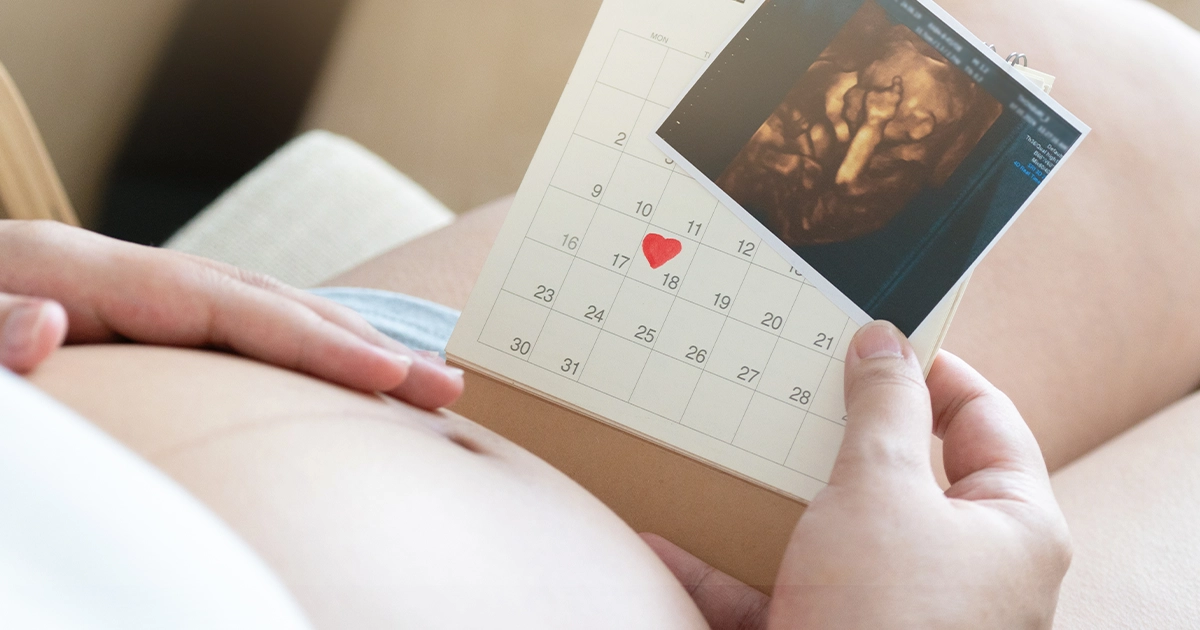
Pregnancy due dates feel like a magical milestone during the journey to parenthood. You enter a date, hit calculate, and
How to Calculate BMI and Body Age for Fitness When it comes to fitness, knowing your body mass index (BMI)