
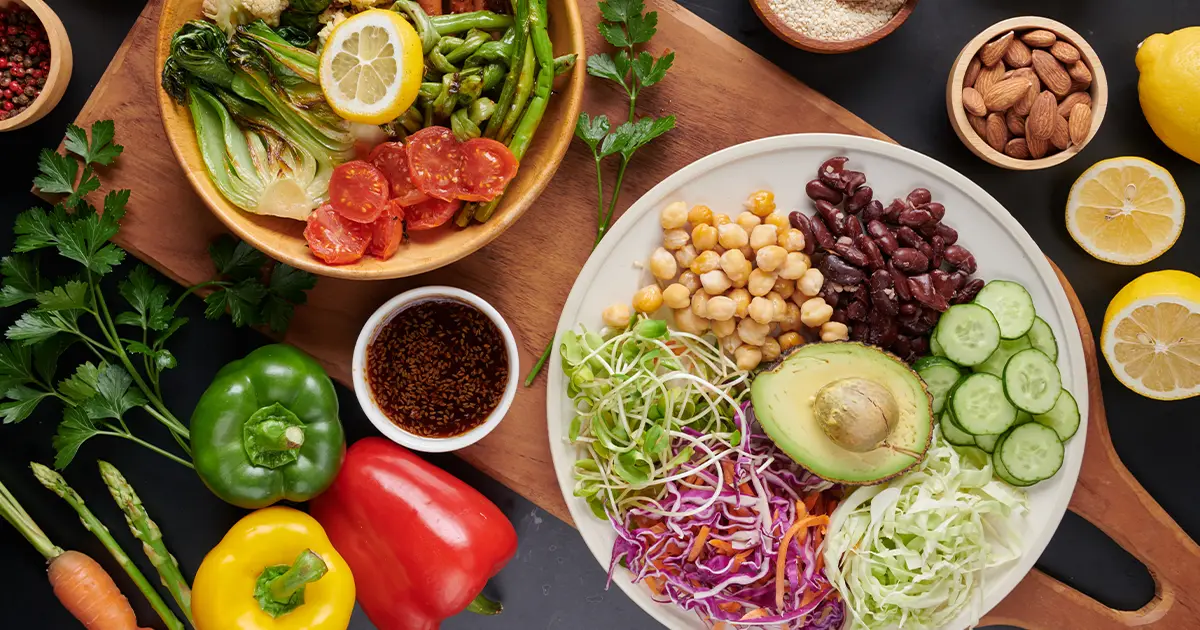
If you’ve been wondering how much fiber per day you actually need, you’re not alone. More than 90% of women and 97% of men in the U.S. fall short of the daily fiber goal — and most people don’t even realize it. Fiber quietly powers your gut, your heart, your blood sugar, and even your weight, yet the average American eats only about half of the recommended amount.
This guide breaks down exactly how much fiber you should have a day based on your age and sex, the best foods with fiber to help you hit your target, and simple, practical ways to eat more fiber without overhauling your diet. By the end, you’ll know your personal number, what it should look like on your plate, and how to ramp up safely.
How Much Fiber Per Day Should You Have?
Most adults need between 22 and 38 grams of fiber per day, depending on age and sex. The Dietary Guidelines for Americans, 2020-2025, recommends adults consume between 22 and 34 grams of fiber per day, depending on age and sex, while several health authorities place the upper end closer to 38 grams for younger men.
The simplest rule of thumb? Current dietary guidelines for Americans suggest that people age 2 and older get 14 grams of fiber for every 1,000 calories in the daily diet. So if you eat 2,000 calories a day, you should aim for roughly 28 grams of fiber.
The reality, though, is sobering. Currently, dietary fiber intakes among adults in the United States average about 15 grams a day — about half the recommended amount. That gap is one of the biggest reasons digestive issues, blood-sugar swings, and stubborn cravings are so common.
Need help dialing in your full nutrition picture? Try WellCal’s Calorie Calculator to find your daily energy needs, then use the 14-grams-per-1,000-calories rule for a personalized fiber goal.
Daily Fiber Intake by Age and Gender
Your fiber needs shift across the lifespan. Calorie intake usually drops with age, so fiber targets drop too. Here’s the breakdown most major U.S. health authorities use, based on the USDA’s Dietary Reference Intakes.
| Age Group | Women | Men |
|---|---|---|
| 1–3 years | 14 g | 14 g |
| 4–8 years | 17 g | 20 g |
| 9–13 years | 22 g | 25 g |
| 14–18 years | 25 g | 31 g |
| 19–30 years | 28 g | 34 g |
| 31–50 years | 25 g | 31 g |
| 51+ years | 21 g | 28 g |
| Pregnancy | 28 g | — |
| Breastfeeding | 29 g | — |
Adult women up to age 50 should eat 25 grams of fiber daily, and men in the same age range are recommended to eat at least 38 grams, per the U.S. Department of Agriculture. Women and men older than 50 should have 21 and 30 daily grams, respectively, according to Harvard Health Publishing.
Note that recommendations vary slightly between organizations. In the U.K., the National Health Service recommends 30 grams daily, while Canadian federal health authorities suggest 25 grams for women and 38 grams for men. The differences are small — what matters most is that you’re getting enough.
Why Fiber Matters: 6 Science-Backed Benefits
Fiber isn’t just for keeping you regular (though it’s great for that too). Decades of research from institutions like Harvard, the Mayo Clinic, and the CDC consistently show that people who eat more fiber live longer, healthier lives.
1. Lower Risk of Heart Disease A landmark Harvard analysis found that for every additional 8 grams of dietary fiber a person consumed, the risk for chronic diseases fell by another 5% to 27%, with the greatest risk reductions when daily intake of dietary fiber was between 25 and 29 grams.
2. Better Blood Sugar Control Soluble fiber slows the absorption of glucose, helping prevent the spikes and crashes that drive cravings, fatigue, and long-term insulin resistance. If you’re managing — or trying to prevent — diabetes risk, fiber is one of your best tools. Use the Diabetes Risk Calculator to see where you stand.
3. Healthier Cholesterol Soluble fibers like those found in oats, beans, and apples bind to cholesterol particles in the gut, helping flush them out before they reach your bloodstream.
4. Easier Weight Management Fiber slows digestion and triggers satiety hormones, which means you stay full longer on fewer calories. Soluble fiber’s main function is to slow your digestion, which affects how full you feel, so it aids in weight management, according to UNC Health.
5. Improved Digestive Health Insoluble fiber adds bulk to stool and speeds transit time, cutting your risk of constipation, hemorrhoids, and diverticular disease.
6. A Thriving Gut Microbiome Fiber feeds the trillions of beneficial bacteria living in your colon. These microbes produce short-chain fatty acids that fight inflammation, support immunity, and may even influence mood.
Soluble vs. Insoluble Fiber: What’s the Difference?
Most plant foods contain both types — and you need both. Food labels lump them together as “dietary fiber,” but understanding the distinction helps you build a balanced plate.
Soluble fiber dissolves in water to form a gel-like substance. It slows digestion, lowers cholesterol, and stabilizes blood sugar. Soluble fiber can be found in fruits (such as apples, oranges and grapefruit), vegetables, legumes (such as dry beans, lentils and peas), barley, oats and oat bran.
Insoluble fiber doesn’t dissolve. It adds bulk and helps food move through your digestive tract. You’ll find it in whole wheat, bran, nuts, cauliflower, green beans, and the skins of fruits and vegetables.
A practical target? Aim for roughly two parts insoluble to one part soluble fiber. If your daily goal is 30 grams, that’s about 20 grams insoluble and 10 grams soluble — though you don’t need to count obsessively. Just eat a variety of whole plant foods and the ratio sorts itself out.
Best Foods With Fiber: The Ultimate List
Whole foods always beat supplements when it comes to fiber. Real food gives you fiber alongside vitamins, minerals, antioxidants, and water — a combination no pill can match. Here are the highest-fiber foods to work into your week.
Fiber Fruits
Fruit is one of the easiest, most delicious ways to eat more fiber. The skin is where much of the fiber lives, so eat it whenever it’s edible.
| Fruit | Serving Size | Fiber (g) |
|---|---|---|
| Raspberries | 1 cup | 8 g |
| Pear (with skin) | 1 medium | 6 g |
| Apple (with skin) | 1 medium | 4.5 g |
| Avocado | ½ medium | 5 g |
| Blackberries | 1 cup | 7.6 g |
| Banana | 1 medium | 3 g |
| Orange | 1 medium | 3 g |
| Strawberries | 1 cup sliced | 3 g |
| Kiwi | 1 medium | 2 g |
| Guava | 1 cup | 9 g |
Berries are the unsung heroes here. Some particularly fiber-rich fruits include guava, raspberries, blackberries, pears, kiwis and grapefruit — all easy to toss into yogurt, oatmeal, or smoothies.
Vegetables High in Fiber
If you eat five servings of vegetables a day, you’ll cover most of your fiber needs without much effort.
| Vegetable | Serving Size | Fiber (g) |
|---|---|---|
| Artichoke | 1 medium | 7 g |
| Green peas | 1 cup cooked | 9 g |
| Broccoli | 1 cup cooked | 5 g |
| Brussels sprouts | 1 cup cooked | 4 g |
| Sweet potato (with skin) | 1 medium | 4 g |
| Carrots | 1 cup cooked | 5 g |
| Acorn squash | 1 cup cooked | 9 g |
| Collard greens | 1 cup cooked | 4 g |
| Corn | 1 cup | 5 g |
| Turnips | 1 cup cooked | 3 g |
Cruciferous vegetables — broccoli, cauliflower, Brussels sprouts, cabbage — punch above their weight. They’re loaded with fiber and contain compounds linked to lower cancer risk.
Whole Grains
Switching from refined to whole grains is one of the highest-impact fiber moves you can make. But check labels — some people just choose brown rice over white rice, for example, but some of those brown breads, rice and pastas don’t have significantly more fiber.
| Whole Grain | Serving Size | Fiber (g) |
|---|---|---|
| Oat bran | ½ cup raw | 7 g |
| Bulgur | 1 cup cooked | 8 g |
| Barley | 1 cup cooked | 6 g |
| Quinoa | 1 cup cooked | 5 g |
| Whole wheat pasta | 1 cup cooked | 6 g |
| Popcorn | 3 cups air-popped | 3.5 g |
| Brown rice | 1 cup cooked | 3.5 g |
| Whole grain bread | 1 slice | 2–3 g |
Legumes (Beans, Lentils, and Peas)
Pound for pound, legumes are the most fiber-dense food on the planet. They’re also packed with plant protein, making them a smart swap for some of the meat in your weekly meals.
| Legume | Serving Size | Fiber (g) |
|---|---|---|
| Split peas | 1 cup cooked | 16 g |
| Lentils | 1 cup cooked | 15 g |
| Black beans | 1 cup cooked | 15 g |
| Lima beans | 1 cup cooked | 13 g |
| Chickpeas | 1 cup cooked | 12 g |
| Kidney beans | 1 cup cooked | 11 g |
| Edamame | 1 cup shelled | 8 g |
Just one cup of lentils delivers more than half a woman’s daily fiber needs. Pair them with whole grains for a budget-friendly, fiber-loaded meal.
Nuts and Seeds
Small but mighty, seeds in particular pack serious fiber into tiny servings.
| Nut/Seed | Serving Size | Fiber (g) |
|---|---|---|
| Chia seeds | 2 tbsp | 8 g |
| Flaxseed (ground) | 2 tbsp | 4 g |
| Almonds | 1 oz (23 nuts) | 3.5 g |
| Pumpkin seeds | 1 oz | 1.7 g |
| Sunflower seeds | 1 oz | 3 g |
| Pistachios | 1 oz | 3 g |
Sprinkle chia or flaxseed into yogurt, smoothies, or oatmeal for an effortless 4–8 gram fiber boost.
For more help structuring meals around these foods, the Macro Calculator can show you how fiber-rich carbs fit into your protein and fat targets.
How to Eat More Fiber Without Overhauling Your Diet
You don’t need to become a vegan, count grams, or buy expensive supplements. Small, consistent swaps add up fast.
Start your day with fiber. A bowl of oatmeal topped with raspberries, chia seeds, and a sprinkle of almonds easily delivers 13+ grams before noon. Or choose a cereal with at least 5 grams of fiber per serving.
Make legumes your secret weapon. Add black beans to tacos, chickpeas to salads, or lentils to your favorite chili. Each half-cup adds 6–8 grams effortlessly.
Eat the skin. Apples, pears, potatoes, sweet potatoes, cucumbers — most fruit and vegetable skins are fiber goldmines. Wash them well and eat them whole.
Snack smart. Swap chips for popcorn (3 cups = 3.5 grams), crackers with hummus, or apple slices with almond butter.
Choose whole over refined. Whole-grain bread instead of white, brown rice instead of white, whole-wheat pasta instead of regular. Look for “whole grain” as the first ingredient and at least 3 grams of fiber per slice or serving.
Sneak fiber into smoothies. Spinach, frozen berries, a tablespoon of chia seeds, and half a banana can deliver 10+ grams in one drink.
Add a daily salad. A big mixed-greens base with shredded carrots, broccoli florets, kidney beans, sunflower seeds, and avocado is a 12-gram fiber bomb disguised as lunch.
A critical companion to all of this: water. Water is vital for many reasons, but when it comes to fiber, it’s essential to keep your bowel movements regular. If you’re adding fiber, make sure you drink plenty of water. If not, it can lead to constipation. The Water Intake Calculator can help you figure out exactly how much you need.
Signs You’re Not Getting Enough Fiber
Most people don’t connect their symptoms to a fiber gap. If any of these sound familiar, your daily intake might be the issue.
- Constipation or irregular bowel movements
- Constant hunger between meals
- Blood sugar crashes and energy dips in the afternoon
- Elevated LDL cholesterol on lab work
- Bloating or sluggish digestion
- Difficulty losing weight despite calorie control
- Frequent sweet cravings
The fix is rarely dramatic. Most people see noticeable changes within two to four weeks of getting closer to their daily fiber target.
Can You Eat Too Much Fiber?
Yes — though it’s harder than you’d think. Most issues come from ramping up too quickly, not from total intake. When you eat too much fiber, it can cause bloating, stomach pain, constipation, and even low blood sugar.
The trend of “fibermaxxing” — pushing intake well past the recommended amount — has its fans, but it’s not for everyone. Those with digestive issues like IBS, Crohn’s disease or ulcerative colitis should prioritize low-fiber diets.
The safer approach: “To avoid bloating and gas, add in no more than 5 grams of fiber per week until you reach your individual goal.” Pair every fiber increase with extra water, and your gut has time to adapt without protest.
Know the Limits — Important Considerations
Fiber is one of the most beneficial nutrients in the diet, but it isn’t a one-size-fits-all prescription.
Medical conditions change the math. People with active inflammatory bowel disease, recent abdominal surgery, gastroparesis, or certain bowel obstructions may be advised to follow a low-fiber diet temporarily. Always check with your doctor.
Supplements aren’t a shortcut. Psyllium, methylcellulose, and other fiber supplements can help fill gaps, but they don’t replicate the full benefits of whole foods. Use them as backup, not a substitute.
Children and older adults need different amounts. A 4-year-old doesn’t need 28 grams; a 75-year-old probably doesn’t either. Match intake to age, sex, and calorie needs.
Medication interactions are real. Fiber can slow the absorption of some medications. If you take prescription drugs, talk to your pharmacist about timing.
Frequently Asked Questions About Daily Fiber Intake
How much fiber should you have a day to lose weight?
For weight loss, aim for the upper end of the standard recommendation — about 25–35 grams per day for women and 30–38 grams per day for men. Fiber slows digestion and increases satiety, helping you naturally eat fewer calories without feeling deprived. Pair higher fiber intake with adequate protein and check your daily calorie target with the Calorie Calculator.
What happens if I suddenly eat 30 grams of fiber a day?
Going from 10–15 grams to 30 grams overnight will likely cause gas, bloating, and cramping. Increase by no more than 5 grams per week and drink extra water. Within two to three weeks, your gut adapts and the symptoms fade — leaving only the benefits.
Is it better to get fiber from food or supplements?
Food is almost always better. Total dietary fiber intake should be 25 to 30 grams a day from food, not supplements. Whole foods deliver fiber alongside vitamins, minerals, and antioxidants that supplements can’t replicate. Supplements can help fill gaps but shouldn’t be your primary source.
Which fruits have the most fiber?
The highest-fiber fruits include raspberries (8 g per cup), guava (9 g per cup), blackberries (7.6 g per cup), pears with skin (6 g each), and avocados (10 g for a whole medium fruit). Eating fruit whole — rather than as juice — preserves all the fiber.
What vegetables are highest in fiber?
The most fiber-rich vegetables are artichokes (7 g each), green peas (9 g per cup), acorn squash (9 g per cup), Brussels sprouts (4 g per cup), broccoli (5 g per cup), and sweet potatoes with skin (4 g each). Cooked legumes like lentils and beans technically count as both vegetables and protein, and they top all the charts at 12–16 grams per cup.
Can I get enough fiber on a low-carb or keto diet?
It’s harder, but possible. Focus on non-starchy vegetables (broccoli, cauliflower, Brussels sprouts, leafy greens), avocados, chia seeds, flaxseed, almonds, and berries in moderation. Many low-carb eaters fall short on fiber, so it’s worth tracking for at least a week to see where you stand.
How much fiber per day for kids?
Use the simple formula: age + 5 equals daily fiber grams for kids ages 2–18. So a 6-year-old needs about 11 grams, and a 13-year-old needs about 18 grams. For children ages 12 months through 23 months, the guidelines suggest getting 19 grams of fiber a day.
Conclusion
Hitting your daily fiber target is one of the highest-leverage moves you can make for your long-term health — and it doesn’t require a complete diet overhaul. Aim for 25 grams a day if you’re a woman and 30–38 grams a day if you’re a man, build your meals around whole fruits, vegetables, legumes, and whole grains, and ramp up gradually with plenty of water.
Ready to put this into practice? Start by figuring out your daily calorie needs with WellCal’s Calorie Calculator, then use the 14-grams-per-1,000-calories rule to set your personal fiber goal.
Medical Disclaimer: This content is for informational and educational purposes only. It is not intended as medical advice, diagnosis, or treatment. Always consult a qualified healthcare provider before making changes to your diet, exercise routine, or health regimen. Individual results may vary. WellCal’s calculators and content are screening tools, not diagnostic instruments.
