
Have you ever felt older—or younger—than your actual age? Many people do. In fact, research shows that biological (or “body”) age often differs from chronological age by several years.
Body age reflects how well your body works on the inside. It looks at how your organs, cells, and systems perform today—not how many birthdays you’ve celebrated. Because of this, two people who are both 40 years old can have very different body ages.
The encouraging news is that body age can change. With the right habits, you can slow it down or even reverse it. Below are five science-backed ways to lower your body age and support long-term health.
What Does “Body Age” Really Mean?
Body age—also called biological age—compares your physical condition to the average health of people your age. Unlike chronological age, it changes based on lifestyle.
A body age assessment looks at several health markers, such as:
- Heart and lung fitness
- Body fat and muscle balance
- Metabolic health
- Inflammation levels
- Sleep and recovery patterns
You can think of it this way: chronological age is the year your car was made. Body age is how well it runs today. A well-maintained older car often outperforms a newer one that hasn’t been cared for.
A large 2024 study published in Nature Aging found that people with a body age at least five years younger had a much lower risk of early death. Clearly, body age matters.
Metabolic Age: One Important Piece of the Puzzle
Metabolic age focuses on how efficiently your body burns calories at rest. This is based on your basal metabolic rate (BMR).
If you are 40 but your metabolism works like that of an average 30-year-old, your metabolic age is 30. That usually means better energy use and easier weight control.
On the other hand, a higher metabolic age can signal problems. Slower metabolism often leads to weight gain, low energy, and higher risk of conditions like diabetes.
While metabolic age looks at calorie use, body age gives a bigger picture. Improving metabolism often helps lower overall body age too.
Can You Actually Lower Your Biological Age?
Yes—you can. Modern research in epigenetics shows that lifestyle changes influence how fast your body ages.
Your cells contain chemical markers, often called “epigenetic clocks,” that shift as you age. Scientists use these markers to estimate biological age.
In one well-known study published in Aging, adults followed an eight-week lifestyle program that included diet, exercise, stress control, and better sleep. On average, participants reduced their biological age by more than three years.
Experts from Harvard Medical School also report that healthy habits can reduce inflammation, improve cell repair, and protect DNA over time.
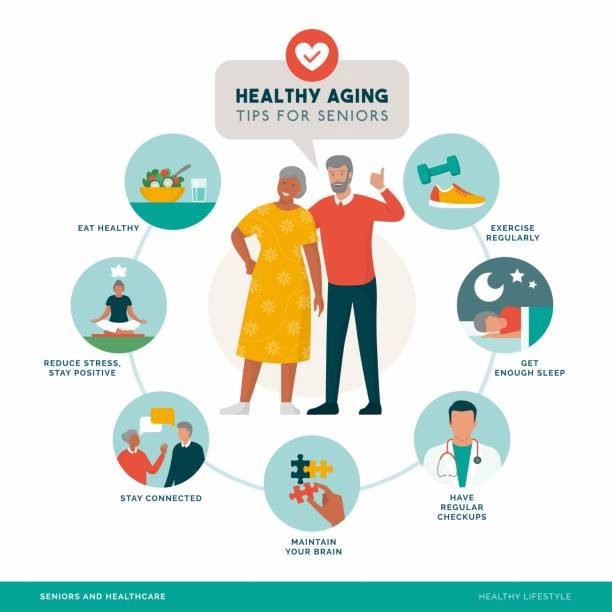
5 Proven Ways to Lower Your Body Age
1. Move Your Body the Smart Way
Exercise is one of the strongest tools for healthy aging. Still, balance matters more than intensity.
The most effective mix includes:
- Short bursts of higher effort (like intervals)
- Strength training to protect muscle and bones
- Moderate cardio such as brisk walking or cycling
Studies show that people who exercise regularly can have body ages up to nine years younger. Even small steps help, especially if you’re just getting started.
Tip: Begin with 10 minutes a day. Build up slowly and focus on consistency.
2. Eat to Support Your Cells
Food choices strongly affect inflammation and cell repair.
Helpful foods include:
- Colorful fruits and vegetables
- Fatty fish, nuts, and seeds
- Olive oil and whole grains
At the same time, limit sugary snacks, refined carbs, and heavily processed foods.
Research from Johns Hopkins found that people who followed a Mediterranean-style eating pattern showed younger biological markers within a year.
3. Improve Sleep Quality
Sleep is when your body repairs itself. Poor sleep speeds up aging faster than many people realize.
Chronic sleep loss raises inflammation, disrupts hormones, and shortens telomeres. Over time, this can add years to your body age.
According to the National Institute on Aging, better sleep supports brain health, immunity, and healthy aging.
Aim for:
- Regular bed and wake times
- A cool, dark bedroom
- Less screen use before bed
4. Reduce Daily Stress
Long-term stress pushes your body into constant “fight or flight” mode. This raises cortisol and damages cells.
Simple tools can help:
- Slow breathing exercises
- Short daily meditation
- Time in nature
- Strong social connections
A study from UCSF found that people with high stress had biological ages up to 17 years older. Reducing stress really does make a difference.
5. Remove Habits That Speed Up Aging
Some habits age the body quickly.
For example:
- Smoking can add up to 10 years to body age
- Heavy alcohol use increases inflammation
- Poor air quality and chemical exposure add strain
Guidance from the Centers for Disease Control and Prevention confirms that quitting smoking and moderating alcohol lead to rapid health improvements.
Staying well hydrated and choosing cleaner living environments also support healthy aging.
Track Progress Without Obsessing
Monitoring progress helps you stay motivated. Useful markers include:
- Resting heart rate
- Body composition
- Fitness level
- Sleep quality
The American Heart Association recommends checking cardiovascular fitness a few times per year rather than daily.
Focus on trends, not perfection. Feeling better, moving easier, and recovering faster are all signs you’re on the right path.
Your Simple 30-Day Starter Plan
Weeks 1–2
- Check your current body age
- Walk or move daily
- Drink more water
- Set regular sleep times
Weeks 3–4
- Swap one processed meal for a whole-food option
- Try five minutes of quiet breathing each day
- Spend time outdoors several times a week
After 30 days, build slowly. Add strength training, improve nutrition further, and deepen stress-management habits.
Final Thoughts
Lowering your body age is possible at any stage of life. Unlike chronological age, biological age responds to daily choices.
You don’t need perfection. Small, steady changes add up over time. Start where you are, keep it simple, and stay consistent.
Your future body will thank you.