
Understanding your healthy cholesterol ratio is crucial for heart health. In fact, many people focus solely on total cholesterol, but the ratio between different cholesterol types tells a more complete story about heart risk.
Specifically, your cholesterol ratio compares “good” HDL cholesterol to “bad” LDL cholesterol. Moreover, this balance is often a better way to predict heart disease risk than total cholesterol alone. Therefore, you could have normal total cholesterol but still be at risk if your ratio is off.
In this guide, you’ll learn what makes a healthy cholesterol ratio, how to calculate yours, and proven ways to improve your numbers. Whether you’re managing existing concerns or taking preventive steps, understanding these ratios helps you make better health choices.
What Is Cholesterol and Why Does It Matter?
Cholesterol is a waxy substance your body needs to build healthy cells. Notably, your liver makes most of it, while the rest comes from animal-based foods.
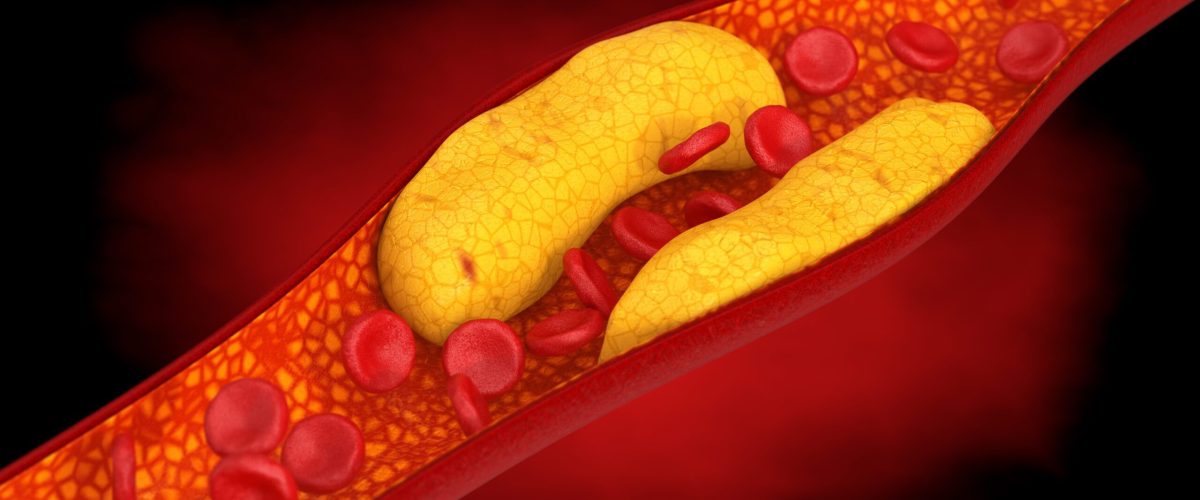
LDL (Low-Density Lipoprotein) – Often called “bad cholesterol,” this type carries cholesterol to arteries. As a result, high levels cause plaque buildup, raising heart disease and stroke risk.
HDL (High-Density Lipoprotein) – Known as “good cholesterol,” HDL removes extra cholesterol from your bloodstream and returns it to your liver. Consequently, higher HDL protects against heart disease.
Total Cholesterol – This represents the sum of all cholesterol types in your blood, measured in milligrams per deciliter (mg/dL).
According to the American Heart Association, nearly 95 million American adults have total cholesterol above 200 mg/dL. Therefore, understanding cholesterol types shows why ratios matter more than single numbers.
For convenience, you can use a cholesterol ratio calculator to quickly check your heart risk based on your latest blood test results.
Understanding Cholesterol Ratios
What Is a Cholesterol Ratio?
A cholesterol ratio compares different measurements to check heart disease risk. Specifically, the two most common are:
- Total Cholesterol to HDL Ratio – Total cholesterol divided by HDL cholesterol
- LDL to HDL Ratio – LDL cholesterol divided by HDL cholesterol
Importantly, these ratios give more insight than total cholesterol alone. For example, someone with high total cholesterol but also high HDL may have lower heart risk than someone with moderate cholesterol and low HDL.
How to Calculate Your Cholesterol Ratio
Calculating your numbers is straightforward once you have your blood test results.
Total Cholesterol to HDL Ratio: Total Cholesterol ÷ HDL = Ratio
For example: 200 mg/dL ÷ 50 mg/dL = 4.0 ratio
LDL to HDL Ratio: LDL ÷ HDL = Ratio
For example: 130 mg/dL ÷ 50 mg/dL = 2.6 ratio
Alternatively, you can use our cholesterol ratio calculator tool. Simply enter your lipid panel numbers for instant results.
What Is a Good Cholesterol Ratio?
Ideal Total Cholesterol to HDL Ratio
The total cholesterol to HDL ratio is one of the best ways to predict heart disease risk. Below is a helpful breakdown:
| Ratio | Risk Level | What It Means |
| Below 3.5 | Optimal | Excellent protection |
| 3.5 to 5.0 | Average | Moderate risk |
| Above 5.0 | High Risk | Much higher risk |
| Above 6.0 | Very High Risk | Urgent changes needed |
According to the American Heart Association, you should aim for below 4.0 for men and below 3.5 for women. Additionally, people with ratios below 3.5 have about half the heart disease risk compared to higher ratios.
Understanding LDL to HDL Ratio
The LDL to HDL ratio compares bad to good cholesterol. Here’s what the numbers mean:
| Ratio | Assessment | Health Effects |
| Below 1.0 | Excellent | Very low risk |
| 1.0 to 2.0 | Good | Healthy balance |
| 2.0 to 3.0 | Moderate | Some risk |
| Above 3.0 | Poor | High risk |
Generally speaking, experts recommend keeping your LDL to HDL ratio below 2.0. This shows at least twice as much good cholesterol removing bad cholesterol.
Individual Cholesterol Guidelines
While ratios are important, individual numbers still matter:
Total Cholesterol:
- Desirable: Below 200 mg/dL
- Borderline: 200-239 mg/dL
- High: 240+ mg/dL
LDL Cholesterol:
- Optimal: Below 100 mg/dL
- Borderline high: 130-159 mg/dL
- High: 160+ mg/dL
HDL Cholesterol:
- Poor: Below 40 mg/dL (men), below 50 mg/dL (women)
- Good: 40-59 mg/dL
- Optimal: 60+ mg/dL
Remarkably, every 1 mg/dL increase in HDL relates to 2-3% lower heart disease risk.
Signs Your Cholesterol Ratio Is Unhealthy
High cholesterol typically has no symptoms, earning it the label “silent” condition. In fact, most people discover unhealthy ratios through routine blood tests.
However, very high cholesterol can sometimes cause:
- Xanthomas – Yellowish skin deposits on elbows, knees, or hands
- Xanthelasmas – Yellowish patches around eyelids
- Arcus Senilis – Gray or white ring around the cornea
- Chest Pain – Occurs when plaque blocks blood flow
- Heart Events – In severe cases, heart attack or stroke may be the first sign
Therefore, the American Heart Association recommends adults get cholesterol checked every 4-6 years starting at age 20. Furthermore, those with risk factors should test more often.
Additionally, you should check your BMI calculator results, as extra weight links to unhealthy ratios. Also, assess risk using our diabetes risk calculator, since diabetes and high cholesterol often occur together.
Factors That Affect Your Cholesterol Ratio
Diet and Nutrition
What you eat greatly impacts cholesterol. Specifically, saturated fats and trans fats raise LDL, while omega-3s and fiber improve ratios.
Foods that worsen ratios: Red meat, full-fat dairy, fried foods, baked goods with trans fats, tropical oils
Foods that improve ratios: Fatty fish, nuts, whole grains, legumes, fruits and vegetables with soluble fiber
Notably, the Mediterranean diet can reduce LDL by 8-10% while raising HDL. Meanwhile, you can use our macro calculator for balanced nutrients. Also, check your daily fiber intake, as soluble fiber directly lowers LDL.
Physical Activity and Weight
Regular exercise raises HDL and lowers LDL. In fact, studies show 150 minutes weekly of moderate exercise can increase HDL by 5-10%.
Additionally, losing just 5-10% of body weight greatly improves cholesterol ratios. You can track progress with our body age calculator to see how lifestyle habits affect biological versus actual age.
Genetics and Lifestyle Factors
Genes play a big role in cholesterol control. Therefore, family history of heart disease raises your risk regardless of lifestyle. However, changes still make real differences.
Smoking lowers HDL and damages blood vessels. On the other hand, quitting can increase HDL by 10% within weeks. Light alcohol may slightly raise HDL, but too much drinking raises triglycerides.
How to Improve Your Cholesterol Ratio
Dietary Strategies
Making smart food choices is one of the most powerful ways to improve your numbers.
Increase Soluble Fiber – Aim for 25-30 grams daily from oats, beans, lentils, apples, and Brussels sprouts. Importantly, soluble fiber binds cholesterol for removal.
Choose Healthy Fats – Replace saturated fats with unsaturated fats. For instance, olive oil, avocados, and nuts are great choices. Additionally, eat fatty fish twice weekly for omega-3s.
Add Plant Sterols – Getting 2 grams daily from fortified foods can lower LDL by 5-15%.
Meanwhile, calculate your protein intake while making heart-healthy protein choices like fish, poultry, and legumes.
Exercise Guidelines
Physical activity plays a crucial role in managing cholesterol ratios.
Aerobic Exercise – Get 150 minutes of moderate intensity or 75 minutes vigorous activity weekly to directly boost HDL.
Strength Training – Lift weights 2-3 times weekly to improve metabolic health.
Daily Movement – Take stairs, walk during breaks, and limit sitting. Remember, every bit counts.
Weight Management
Reaching a healthy weight makes a big difference in your cholesterol numbers.
First, set realistic goals of 0.5-1 pound weekly weight loss. Next, our calorie calculator helps determine right intake amounts. Finally, focus on whole foods and practice mindful eating.
Lifestyle Changes
Beyond diet and exercise, other habits matter too.
Manage Stress – Try meditation, deep breathing, or yoga to reduce stress hormones affecting cholesterol.
Quit Smoking – This is the most important step for HDL improvement. In fact, within one year, heart disease risk drops to half that of smokers.
Limit Alcohol – Up to one drink daily for women, two for men maximum.
Medications When Needed
Sometimes lifestyle changes aren’t enough. Common drugs include statins, bile acid sequestrants, and PCSK9 inhibitors. However, never start or stop medication without talking to your healthcare provider.
Monitoring Your Progress
Testing Frequency
Regular testing helps track your improvements over time.
Low Risk – Every 4-6 years after age 20
Borderline High – Once yearly
High Cholesterol – Every 3-6 months
Starting Treatment – After 4-8 weeks, then regularly
Keep records of results over time to spot trends and check if strategies work.
Working With Your Doctor
Your healthcare provider should partner with you in management. Therefore, come prepared with current symptoms, medication lists, questions, and challenges you face. Don’t hesitate to seek second opinions if needed.
Special Considerations
Women’s Cholesterol
Women have unique needs throughout life. For example, estrogen provides protection during reproductive years. Pregnancy temporarily changes levels—use our pregnancy due date calculator and discuss concerns with your doctor.
Furthermore, menopause greatly impacts cholesterol. After menopause, LDL increases while HDL may decrease, explaining increased heart disease risk.
Children and Older Adults
Children should be screened between ages 9-11, with follow-up at 17-21. Moreover, family history requires earlier testing.
Managing cholesterol stays important throughout life, though approaches may change with age. Each person’s plan weighs overall health, life expectancy, and personal preferences.
Common Myths Debunked
Myth: All cholesterol is bad – Actually, your body needs cholesterol. Balance matters.
Myth: Only overweight people have high cholesterol – In reality, genetics affect anyone regardless of size.
Myth: I’d feel sick if cholesterol was high – Unfortunately, high cholesterol has no symptoms.
Myth: Total cholesterol tells the whole story – On the contrary, ratios matter more than total alone.
Myth: Medication means no lifestyle changes needed – In fact, lifestyle boosts medication results.
Conclusion
Understanding your healthy cholesterol ratio gives you control over heart health. Overall, focus on the balance between HDL and LDL rather than just total cholesterol for a clearer heart disease risk picture.
Key takeaways:
- First, aim for total cholesterol to HDL ratio below 4.0 (men) and 3.5 (women)
- Second, keep LDL to HDL ratio below 2.0
- Third, make consistent lifestyle changes: nutritious eating, regular exercise, weight management
- Finally, get regular screenings and work with your healthcare provider
Small changes create big impact. Therefore, start with one or two changes and build from there.
Ready to take action?
- Calculate Your Numbers – Use our cholesterol ratio calculator
- Optimize Nutrition – Check health tips for dietary strategies
- Get Guidance – Talk to your healthcare provider about personalized management
Your heart health is worth the effort. Start today for a healthier tomorrow.
FAQs About Cholesterol Ratios
Q1: What is considered a healthy cholesterol ratio? A healthy total cholesterol to HDL ratio is below 4.0 for men and 3.5 for women. For LDL to HDL ratio, aim below 2.0. In fact, these ratios show good balance between protective HDL and harmful LDL cholesterol, greatly reducing heart disease risk.
Q2: Can you have high cholesterol with a good ratio? Yes, elevated total cholesterol with high HDL can maintain a healthy ratio. However, doctors look at multiple factors when checking risk. Overall, both individual cholesterol levels and ratios matter for complete heart health review and treatment planning.
Q3: How quickly can I improve my cholesterol ratio? With strong lifestyle changes, improvements appear in 6-12 weeks. Additionally, diet changes and exercise show results within 2-3 months. However, big changes typically take 3-6 months of consistent effort. Therefore, patience and staying on track are key for lasting improvements.
Q4: Is a 3.5 cholesterol ratio good? A 3.5 total cholesterol to HDL ratio is considered good, showing average to low heart risk. While not optimal (below 3.0), it’s much better than ratios above 5.0. Therefore, continue healthy habits to maintain or further improve this ratio.
Q5: What foods raise HDL cholesterol naturally? Foods that boost HDL include fatty fish rich in omega-3s, nuts (especially almonds and walnuts), olive oil, avocados, whole grains, and purple produce like berries. Moreover, regular physical activity combined with these foods provides the most effective natural HDL-raising approach.
Suggested Internal Links
- Cholesterol Ratio Calculator – Calculate your ratios and understand heart risk
- BMI Calculator – Check weight status impacting cholesterol
- Diabetes Risk Calculator – Check diabetes risk linked with cholesterol
- Macro Calculator – Find optimal nutrients for heart health
- Daily Fiber Intake Calculator – Calculate fiber needs to lower LDL
- Health Tips – Explore wellness improvement strategies
Suggested External References
- American Heart Association – Understanding Cholesterol – Complete guidelines on cholesterol management
- National Heart, Lung, and Blood Institute – High Blood Cholesterol – Evidence-based NIH resources
- Mayo Clinic – Cholesterol: Top Foods – Expert dietary recommendations
- CDC – Cholesterol Statistics – Latest prevention data and strategies
Key Takeaways Checklist
Know Your Numbers – Get lipid panel to calculate current ratios
Target Optimal Ratios – Below 4.0 for total/HDL, below 2.0 for LDL/HDL
Raise HDL – Good cholesterol is as important as lowering bad
Eat Heart-Healthy – Increase fiber, omega-3s, reduce saturated fats
Exercise Regularly – 150 minutes weekly boosts HDL naturally
Maintain Healthy Weight – 5-10% loss improves ratios greatly
Manage Stress – Practice daily relaxation techniques
Quit Smoking – Improves ratios within weeks
Limit Alcohol – Moderate amounts only
Monitor Progress – Recheck every 3-6 months during changes
Partner With Doctor – Discuss medication if needed
Be Patient – Lasting improvements take consistent effort