
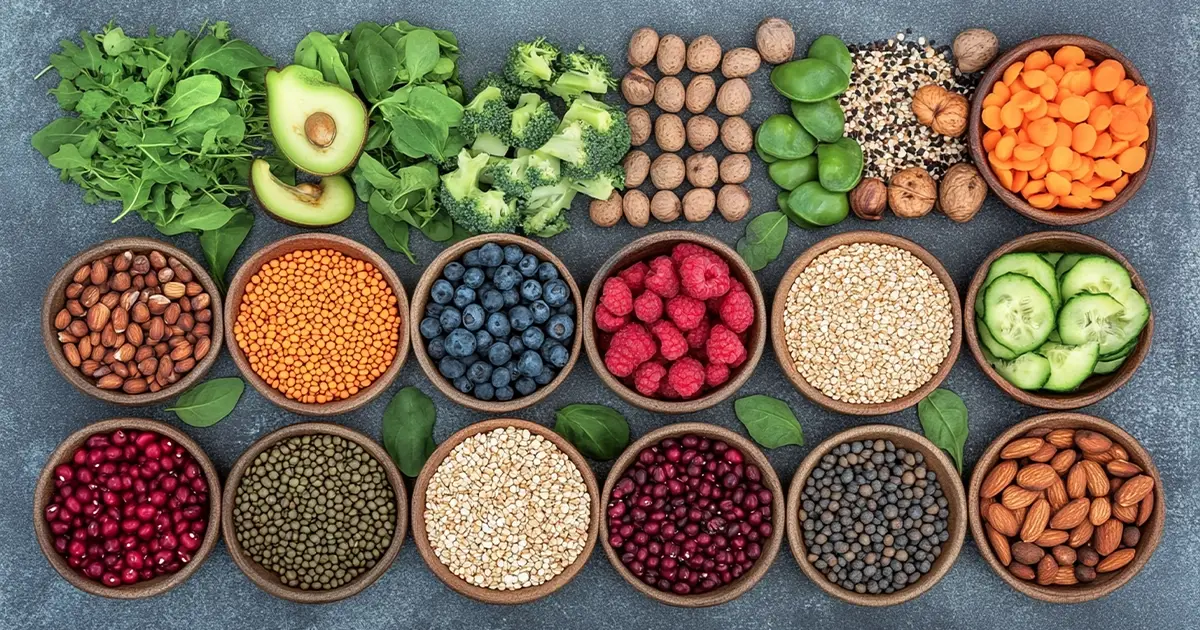
Fiber is an essential nutrient that plays a crucial role in maintaining digestive health, regulating blood sugar levels, and supporting overall well-being. A diet rich in fiber has been linked to improved heart health, weight management, and a reduced risk of chronic diseases. But how do you ensure you’re getting enough fiber in your daily meals? Let’s explore a high-fiber foods list and how to calculate your daily fiber needs with a handy fiber calculator.
What is Fiber and Why is It Important?
Fiber is a type of carbohydrate that the body cannot digest. Unlike other carbohydrates that break down into sugars, fiber passes through the digestive system largely intact. There are two types of fiber:
- Soluble Fiber: This type dissolves in water and helps lower blood cholesterol levels and stabilize blood sugar. It’s found in foods like oats, beans, lentils, and apples.
- Insoluble Fiber: This type doesn’t dissolve in water and helps add bulk to stool, aiding in regular bowel movements and preventing constipation. It’s found in foods like whole wheat, bran, and vegetables.
Getting an adequate amount of both types of fiber is key for overall health.
Daily Fiber Intake Recommendations
The recommended daily fiber intake varies based on age, gender, and overall health. Here’s a general guideline:
- Women under 50: 25 grams of fiber per day
- Women over 50: 21 grams of fiber per day
- Men under 50: 38 grams of fiber per day
- Men over 50: 30 grams of fiber per day
Many people fall short of this recommended intake. The average American consumes around 15 grams of fiber per day, much less than the suggested amounts. That’s where the fiber calculator comes in—it’s a great tool to help you track and calculate your daily fiber intake.
Using a Fiber Calculator to Meet Your Goals
A fiber calculator can help you easily track your fiber intake based on the foods you eat. Here’s how it works:
- Input Your Food Items: A good fiber calculator will allow you to enter the foods you consume during the day, and it will calculate the fiber content of each item.
- Set Your Fiber Goal: Based on your age, gender, and dietary goals, you can set a daily fiber target in the calculator.
- Track Your Progress: The calculator shows how much fiber you’ve consumed and whether you’re meeting your daily target. This can help you adjust your diet accordingly.
Many online tools and apps allow you to log your meals and calculate fiber intake easily, helping you make informed dietary choices.
High Fiber Foods List to Boost Your Intake
To help you reach your fiber goals, here’s a list of high-fiber foods that you can incorporate into your meals:
1. Legumes
- Lentils: 1 cup cooked = 15.6 grams of fiber
- Chickpeas: 1 cup cooked = 12.5 grams of fiber
- Black beans: 1 cup cooked = 15 grams of fiber
- Kidney beans: 1 cup cooked = 13.1 grams of fiber
Legumes are a great source of both soluble and insoluble fiber, making them a perfect addition to soups, stews, and salads.
2. Whole Grains
- Oats: 1 cup cooked = 4 grams of fiber
- Quinoa: 1 cup cooked = 5 grams of fiber
- Brown rice: 1 cup cooked = 3.5 grams of fiber
- Whole wheat bread: 1 slice = 2 grams of fiber
Whole grains are rich in fiber and provide sustained energy throughout the day.
3. Fruits
- Apples (with skin): 1 medium = 4.4 grams of fiber
- Pears (with skin): 1 medium = 5.5 grams of fiber
- Raspberries: 1 cup = 8 grams of fiber
- Bananas: 1 medium = 3.1 grams of fiber
- Avocados: 1 medium = 10 grams of fiber
Fruits, particularly those with edible skins or seeds, are excellent sources of both soluble and insoluble fiber.
4. Vegetables
- Broccoli: 1 cup cooked = 5 grams of fiber
- Carrots: 1 cup raw = 3.6 grams of fiber
- Brussels sprouts: 1 cup cooked = 4 grams of fiber
- Spinach: 1 cup cooked = 4.3 grams of fiber
- Sweet potatoes (with skin): 1 medium = 4 grams of fiber
Vegetables are low in calories but packed with fiber, vitamins, and minerals.
5. Nuts and Seeds
- Chia seeds: 1 ounce = 10 grams of fiber
- Almonds: 1 ounce (about 23 almonds) = 3.5 grams of fiber
- Flaxseeds: 1 tablespoon ground = 2.8 grams of fiber
- Pistachios: 1 ounce = 2.9 grams of fiber
Nuts and seeds are not only high in fiber, but they also provide healthy fats and protein.
6. Fiber-Rich Snacks
- Popcorn (air-popped): 3 cups = 3.5 grams of fiber
- Whole grain crackers: 5 crackers = 3 grams of fiber
- Edamame: 1/2 cup = 4 grams of fiber
Choosing fiber-rich snacks can be a great way to boost your fiber intake without feeling deprived.
Incorporating Fiber into Your Diet
To make fiber a regular part of your diet, consider these simple strategies:
- Start your day with fiber: Choose a fiber-rich breakfast like oatmeal or a smoothie with fruits, seeds, and greens.
- Snack smart: Keep fiber-packed snacks like nuts, fruit, or whole grain crackers handy throughout the day.
- Make simple swaps: Choose whole grains over refined grains, and opt for whole fruits and vegetables instead of juices or processed foods.
- Add legumes to your meals: Toss beans into salads, soups, and stews, or make a bean-based chili or veggie burger.
Conclusion
Incorporating high-fiber foods into your diet is one of the best ways to support long-term health. Whether you’re looking to improve digestion, control weight, or reduce the risk of chronic diseases, fiber plays a key role in achieving these goals. Use a fiber calculator to track your intake and ensure you’re getting enough fiber each day. By choosing nutrient-dense, fiber-rich foods and making mindful dietary choices, you can enhance your health and feel your best.
