
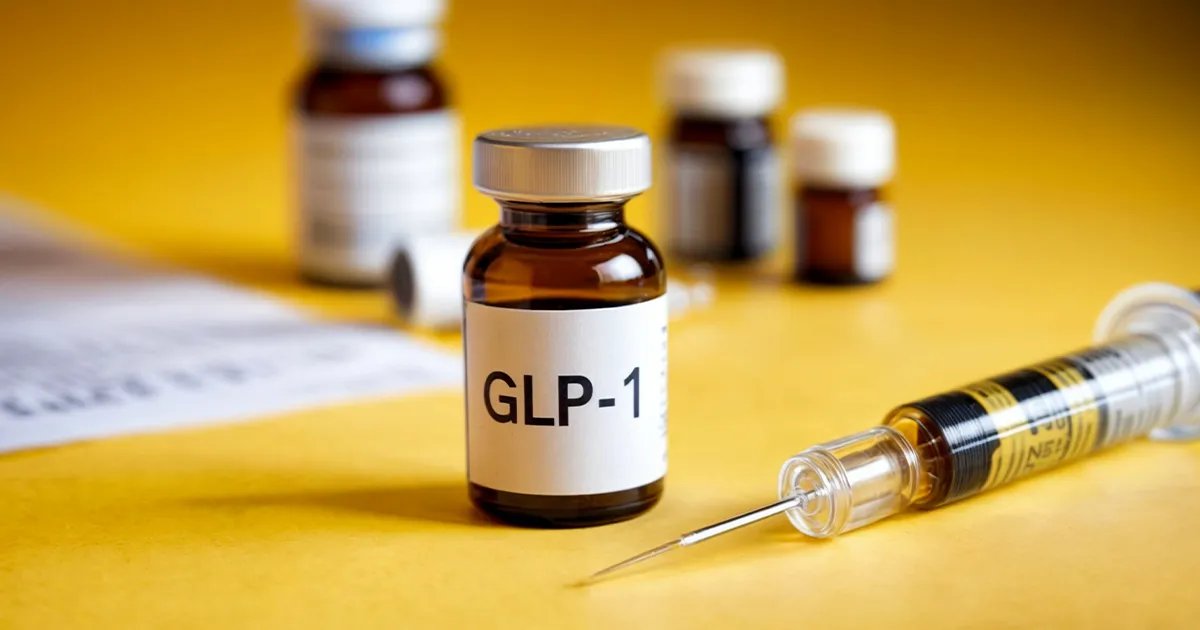
The world of GLP-1 medications is changing faster than at any point since these drugs hit the mainstream. In just the past four months, two oral GLP-1 pills have received FDA approval, Medicare announced expanded coverage for obesity treatment, and major research has reshaped how doctors think about who benefits from these drugs. If you’ve been following GLP-1 news or considering one of these medications, the landscape today looks very different from even a year ago. This guide breaks down what’s actually happening in 2026, what it means for patients, and how to sort the real updates from the noise.
What Are GLP-1 Medications and Why the News Matters Right Now
GLP-1 medications are drugs that mimic glucagon-like peptide-1, a natural gut hormone that helps regulate blood sugar, slow stomach emptying, and reduce appetite. Originally developed for type 2 diabetes, GLP-1 agonists are now prescribed to millions of Americans for weight loss, cardiovascular protection, and a growing list of metabolic conditions.
The reason GLP-1 news has dominated headlines in 2026 comes down to three big shifts:
- New delivery methods. Until December 2025, every approved GLP-1 medication for weight loss was a weekly injection. Now there are two FDA-approved pills.
- Government access programs. Medicare and Medicaid are rolling out coverage models that did not exist a year ago.
- Expanded indications. Research is showing benefits well beyond weight loss, from heart failure to liver disease to addiction.
Brand names you’ve likely heard, including Ozempic, Wegovy, Mounjaro, and Zepbound, are all part of this same drug class. Sold under brand names like Ozempic and Mounjaro, GLP-1 receptor agonists were initially developed to treat diabetes, but their applications have expanded dramatically.
If you’re starting to track your overall metabolic health, our BMI Calculator and Diabetes Risk Calculator are useful starting points before discussing GLP-1 options with your doctor.
FDA Approves Two GLP-1 Pills: The Biggest News of 2026
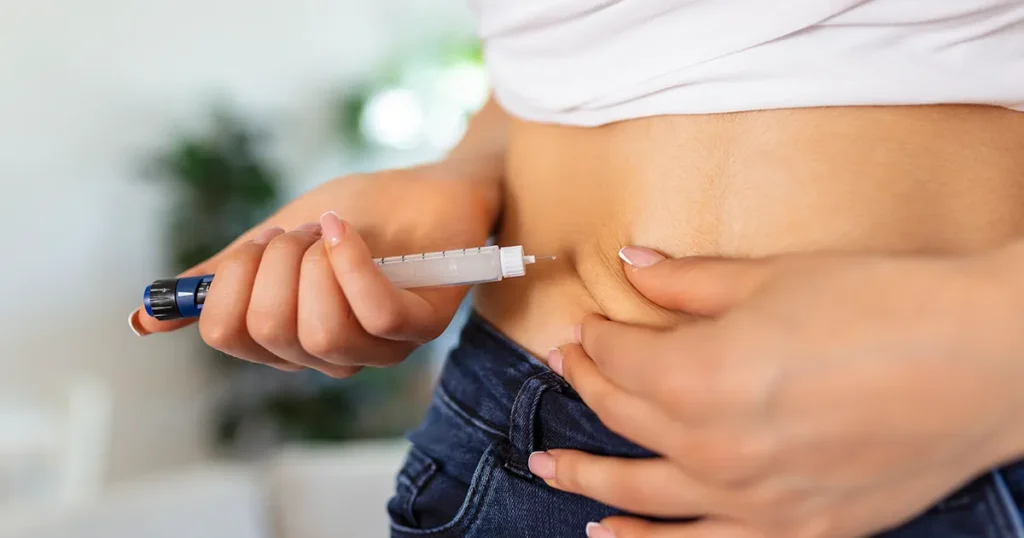
The single biggest story in GLP-1 weight loss this year is the arrival of pill-based options. For people who don’t want weekly injections, this is a genuine turning point.
Wegovy Pill (Oral Semaglutide)
In late December 2025, the FDA approved once-daily Wegovy pill, the first oral GLP-1 medicine for obesity in the United States. The drug is approved for adults with obesity, or with overweight plus a weight-related condition, when combined with diet and exercise. It is also approved to reduce the risk of major adverse cardiovascular events in adults with established cardiovascular disease.
The clinical results were striking. Phase III OASIS 4 trial showed 16.6% mean weight loss with oral semaglutide over 64 weeks among adherent participants, compared with about 2.7% on placebo. Novo Nordisk launched the pill across the U.S. in early January 2026.
Foundayo (Orforglipron) — The Newest GLP-1 Pill
On April 1, 2026, the FDA approved the second oral GLP-1 for weight loss. The orforglipron pill, called Foundayo, is made by Eli Lilly, the company behind Zepbound and Mounjaro. What makes Foundayo different is convenience: it is the first GLP-1 pill that can be taken any time of day, with or without food or water.
In Eli Lilly’s pivotal trials, participants on the highest dose lost about 12% of their body weight over 72 weeks. The approval was unusually fast. According to the FDA, the action marks the fastest approval of a new molecular entity since 2002, issued under the Commissioner’s National Priority Voucher pilot program.
Quick Comparison: GLP-1 Pills vs. Injectable GLP-1s
| Medication | Form | Average Weight Loss | Trial Duration | Manufacturer |
|---|---|---|---|---|
| Wegovy Pill (oral semaglutide 25 mg) | Daily pill | ~16.6% | 64 weeks | Novo Nordisk |
| Foundayo (orforglipron) | Daily pill | ~12.4% | 72 weeks | Eli Lilly |
| Wegovy Injection | Weekly shot | ~15% | 68 weeks | Novo Nordisk |
| Zepbound (tirzepatide) | Weekly shot | ~21% | 72 weeks | Eli Lilly |
The injections still produce the largest weight loss numbers, but pills offer real advantages for people who dislike needles, travel often, or have trouble keeping injections refrigerated.
After understanding which option might suit you, our Calorie Calculator can help you set realistic intake targets to pair with any weight loss medication plan.
Medicare and Medicaid GLP-1 Coverage: Major Access Changes in 2026
For years, the biggest barrier to GLP-1 medications has not been the science but the price. Without insurance, monthly costs have run from roughly $700 to $1,300. That is finally shifting, and the news on coverage may matter more to most readers than any clinical trial.
The CMS BALANCE Model
In December 2025, the Centers for Medicare and Medicaid Services announced a new voluntary coverage model. The BALANCE Model will launch in Medicaid as early as May 2026 and in Medicare Part D in January 2027. The program is designed to let Medicare Part D plans and state Medicaid agencies cover GLP-1 medications for weight management while controlling costs through manufacturer agreements and lifestyle support requirements.
This is significant because Medicare has historically been prohibited from covering medications used solely for weight loss. The BALANCE Model is a workaround that bundles GLP-1 access with structured lifestyle programs.
The Medicare GLP-1 Bridge — $50 Monthly Copays Starting July 2026
Before the full BALANCE Model rolls out, a temporary program kicks in this summer. Starting July 1, 2026, Medicare Part D enrollees will gain temporary access to select GLP-1s for obesity through the Medicare GLP-1 Bridge, with out-of-pocket costs capped at approximately $50 per month in some plan designs, through December 2026. This bridge program covers both Wegovy and Foundayo for eligible enrollees.
Self-Pay Options Have Dropped Dramatically
Even outside Medicare, cash-pay prices have come down sharply. In 2026, the Trump administration will launch the self-pay platform TrumpRx.gov, which connects patients to manufacturer discount programs. Starting doses of GLP-1 pills are listed at $149 per month through these channels, with monthly injection prices running closer to $349.
For people with commercial insurance, manufacturer savings cards can lower costs to as little as $25 per month for both pills, depending on plan design.
Practical takeaway: If cost has been your barrier, the GLP-1 pricing landscape in mid-2026 is the most accessible it has ever been. The exact program that fits depends on your insurance, age, and BMI.
GLP-1 Benefits Beyond Weight Loss: What New Research Shows
One of the most important shifts in GLP-1 news is the recognition that these drugs do far more than reduce weight. Researchers at Harvard Medical School and Mass General have documented benefits across organ systems that surprised even longtime endocrinologists.
Cardiovascular Protection
According to the Brigham and Women’s Hospital research team, GLP-1s reduce the risk of cardiovascular death, nonfatal myocardial infarction, and nonfatal stroke. Importantly, this protection appears to be at least partially independent of how much weight a person loses.
Heart Failure with Preserved Ejection Fraction
Research published by Harvard Medical School investigators showed GLP-1s were highly effective for patients with heart failure with preserved ejection fraction, a condition in which the heart muscle becomes too stiff to fill normally. The drugs reduced the risk of certain cardiovascular events by roughly 40 percent in this population.
Liver Disease (MASH)
A study reported by CNN in April 2026 found that GLP-1 medicines may improve metabolic dysfunction-associated steatohepatitis (MASH), formerly called NASH, even in patients who do not lose substantial weight. The mechanism appears to involve inflammation reduction rather than weight loss alone.
Substance Use Disorders
Among the most surprising developments: GLP-1 drugs may help people reduce alcohol, tobacco, and possibly opioid use. More than 15 clinical trials in progress globally are investigating GLP-1 agonist drugs for tobacco, alcohol, and cocaine use disorders, including studies at Harvard’s Brigham and Women’s Hospital. The American Heart Association reported in March 2026 that GLP-1 drugs may help curb substance use disorders, though the FDA has not yet approved any GLP-1 specifically for this purpose.
Cognitive Health
Phase 3 trials published in The Lancet in March 2026 examined oral semaglutide for early-stage symptomatic Alzheimer’s disease. The results have not yet led to FDA approval for this indication, but they signal a serious investigation into whether GLP-1s can slow cognitive decline.
For people working on broader metabolic health, our Body Age Calculator provides a useful snapshot of how lifestyle factors are affecting biological aging.
GLP-1 Resistance: Why Some People Don’t Lose Weight
Not everyone responds to GLP-1 medications the same way. This has been one of the most clinically important findings of 2026, and it has implications for anyone considering treatment.
A Stanford Medicine study published in April 2026 identified specific genetic variants that reduce how well GLP-1 drugs work. The genetic variants, carried by roughly 10% of the general population, cause a phenomenon researchers refer to as GLP-1 resistance, in which natural GLP-1 hormone levels are higher but biologically less effective.
The implications are practical:
- About 10 to 15 percent of patients show minimal weight loss on GLP-1s, according to clinical trial data summarized by CNN.
- Genetic testing may eventually help match patients to the most effective drug or formulation faster.
- Longer-acting versions or combination therapies may help overcome resistance for some people.
Even when weight loss is limited, research from Dr. Daniel Drucker’s team at the University of Toronto suggests other benefits, including liver health and cardiovascular protection, may still be substantial. As reported by CNN, an estimated 5 to 8 percent of patients in clinical practice are weight non-responders, but many still gain meaningful health benefits.
If you’ve tried weight loss approaches that did not work, our Macro Calculator can help you build a personalized nutrition plan that maximizes results regardless of medication response.
GLP-1 Safety Updates: What the 2026 Research Shows
GLP-1 medications are not without risks, and 2026 has brought important refinements in our understanding of who needs extra monitoring.
Most Common Side Effects
According to a January 2026 review published in the National Library of Medicine, the most common adverse events have been gastrointestinal, including nausea, vomiting, diarrhea, constipation, bloating, and abdominal pain. These tend to be mild, are most pronounced during dose escalation, and occur in up to half of patients.
Reassuring Findings
Several long-feared side effects appear to be less of a concern than initially worried:
- Pancreatitis and pancreatic cancer: Long-term clinical trials have largely dispelled these concerns at the population level.
- Mental health: A systematic review of 80 randomized clinical trials involving over 107,000 participants found no association between GLP-1 treatment and serious psychiatric adverse effects, including major depression, suicide, or psychosis. The review actually found mental health quality of life improved.
Risks That Still Require Monitoring
According to a February 2026 review covered by the Diabetes UK news team, there are important edge cases around gallbladder disease, thyroid cancer risk in susceptible groups, and eye complications in specific contexts. Specific concerns include:
- Thyroid cancer risk in patients with personal or family history of medullary thyroid carcinoma (MTC) or Multiple Endocrine Neoplasia syndrome type 2 (MEN 2). These patients should not use GLP-1s.
- Diabetic retinopathy can worsen temporarily when blood sugar drops rapidly, especially in patients with pre-existing eye disease.
- Pulmonary aspiration during surgery because GLP-1s slow digestion. Many anesthesiologists now ask patients to pause GLP-1s before procedures.
- Loss of lean muscle mass with significant weight reduction. Resistance training and adequate protein intake become especially important.
For protein planning during weight loss, our Protein Intake Calculator helps determine the right daily target to preserve muscle mass.
FDA Crackdown on Compounded GLP-1s
A major regulatory development came in March 2026, when the FDA warned 30 telehealth companies against illegal marketing of compounded GLP-1s. The agency has been cracking down on platforms that imply compounded products are equivalent to FDA-approved drugs. If you’ve considered cheaper compounded versions, the safety and legal landscape has tightened significantly.
What’s Next: The GLP-1 Pipeline in Late 2026
The drugs already on the market may not be the most powerful options for long. Several next-generation candidates are in late-stage trials.
Retatrutide (Triple Agonist)
Eli Lilly’s retatrutide is a triple agonist that targets GLP-1, GIP, and glucagon receptors simultaneously. In phase 2 trials, retatrutide produced weight loss of around 24 percent at 48 weeks, a number that exceeds anything currently approved. Lilly is expected to file for FDA approval as early as this year, with phase 3 results across seven trials reading out through 2026.
CagriSema
Novo Nordisk’s CagriSema combines semaglutide with cagrilintide, an amylin analog. Phase 3 results have shown weight loss exceeding what semaglutide alone achieves, positioning it as Novo’s response to Lilly’s combination products.
A New Hypothesis: Skipping GLP-1 Entirely
In one of the most thought-provoking pieces of GLP-1 news this year, a group of researchers led by Richard DiMarchi and Matthias Tschöp has created an experimental drug that activates receptors of the GIP and glucagon hormones, proposing that GLP-1 itself may not be necessary for effective weight loss. If this approach pans out in human trials, future obesity medications may move beyond the GLP-1 framework entirely.
Know the Limits: Important Considerations About GLP-1 Medications
GLP-1 drugs are powerful tools, but they are not magic, and they are not for everyone. A balanced view of GLP-1 weight loss requires understanding what these medications can and cannot do.
They are typically lifelong treatments. Real-world studies show that most people regain weight after stopping GLP-1s, similar to discontinuation of any chronic medication. Insurance coverage and cost matter especially for long-term use.
Lifestyle still matters. Even at peak GLP-1 doses, results are better when paired with adequate protein, resistance training, and sleep. The drugs reduce appetite but do not directly build muscle or improve sleep quality.
They don’t replace screening tools or medical advice. A BMI in the obese range, combined with weight-related comorbidities, is the standard threshold for FDA-approved treatment. Use our BMI Calculator to check your starting point, but a doctor’s evaluation is essential before starting any prescription medication.
Side effects can be serious for specific groups. People with personal or family history of medullary thyroid carcinoma, MEN 2, severe gastroparesis, or pancreatitis should generally not take these medications.
Compounded versions carry real risk. With FDA enforcement increasing in 2026, the safest path is FDA-approved products from licensed pharmacies, ideally with insurance or manufacturer savings programs.
Frequently Asked Questions About GLP-1 News
What is the latest GLP-1 news in 2026?
The biggest GLP-1 news in 2026 is the FDA approval of two oral GLP-1 pills for weight loss. The Wegovy pill from Novo Nordisk launched in January 2026, and Foundayo (orforglipron) from Eli Lilly was approved on April 1, 2026. Medicare also announced new coverage programs starting July 2026 with copays as low as $50 per month for eligible enrollees.
Are GLP-1 medications safe long-term?
Current evidence suggests GLP-1 medications have a favorable long-term safety profile for most adults. Large-scale reviews have not confirmed earlier concerns about pancreatic cancer or psychiatric harm. The most common side effects remain gastrointestinal and usually improve after the first few months. However, people with thyroid cancer history, MEN 2, or severe gastroparesis should not take them, and ongoing monitoring is recommended for everyone on long-term therapy.
How much do GLP-1 medications cost in 2026?
Out-of-pocket costs for GLP-1 medications have dropped substantially in 2026. The lowest dose of either FDA-approved GLP-1 pill starts at $149 per month for self-pay patients. With commercial insurance and manufacturer savings cards, costs can be as low as $25 per month. Eligible Medicare Part D enrollees can pay around $50 per month starting July 1, 2026 through the Medicare GLP-1 Bridge program.
Why don’t GLP-1 medications work for everyone?
About 10 to 15 percent of people who start GLP-1 medications do not experience significant weight loss. Stanford Medicine research published in April 2026 identified specific genetic variants in roughly 10 percent of the population that cause “GLP-1 resistance.” Even non-responders for weight loss often gain other health benefits, including improvements in liver health, blood pressure, and cardiovascular markers.
What is the difference between Foundayo and the Wegovy pill?
Both are once-daily GLP-1 pills approved for weight loss in adults with obesity or overweight plus a related medical condition. Foundayo (orforglipron) can be taken any time of day with or without food or water restrictions. The Wegovy pill (oral semaglutide) must be taken on an empty stomach with limited water. The Wegovy pill produced larger weight loss in clinical trials (about 16.6%) compared to Foundayo (about 12.4%), but Foundayo offers more convenience.
Are GLP-1 drugs being studied for conditions other than weight loss?
Yes. Active research and clinical trials are exploring GLP-1 medications for heart failure, chronic kidney disease, obstructive sleep apnea, fatty liver disease (MASH), Alzheimer’s disease, and substance use disorders including alcohol and tobacco use. Several of these uses may receive FDA approval in the coming years.
Conclusion: The GLP-1 Landscape Has Genuinely Changed
If your last research on GLP-1 medications was even six months ago, much of what you knew is now outdated. Pills are real options. Medicare coverage is starting. Pricing has dropped. The list of conditions these drugs may treat keeps growing. At the same time, the picture of who benefits, and who needs caution, has gotten more nuanced.
The right next step depends on where you are. If you are exploring whether GLP-1 medications might be right for you, start by understanding your current metabolic health. Use our BMI Calculator and Diabetes Risk Calculator to gather baseline information, then have an informed conversation with your healthcare provider about which option fits your goals, budget, and medical history.
Medical Disclaimer: This content is for informational and educational purposes only. It is not intended as medical advice, diagnosis, or treatment. Always consult a qualified healthcare provider before starting, stopping, or changing any medication, including GLP-1 receptor agonists. Individual results vary, and GLP-1 medications carry risks that should be evaluated by a licensed clinician familiar with your full medical history. WellCal’s calculators and content are educational tools, not diagnostic instruments.
